
Skip to content
Stomach & Digestion

IBS: When Your Gut Runs Your Day – and What You Can Do About It

Updated: 08/13/2026·8 min read·Medically reviewed
Daniel Lindenthal
Daniel LindenthalPhysician · Private practice Stuttgart
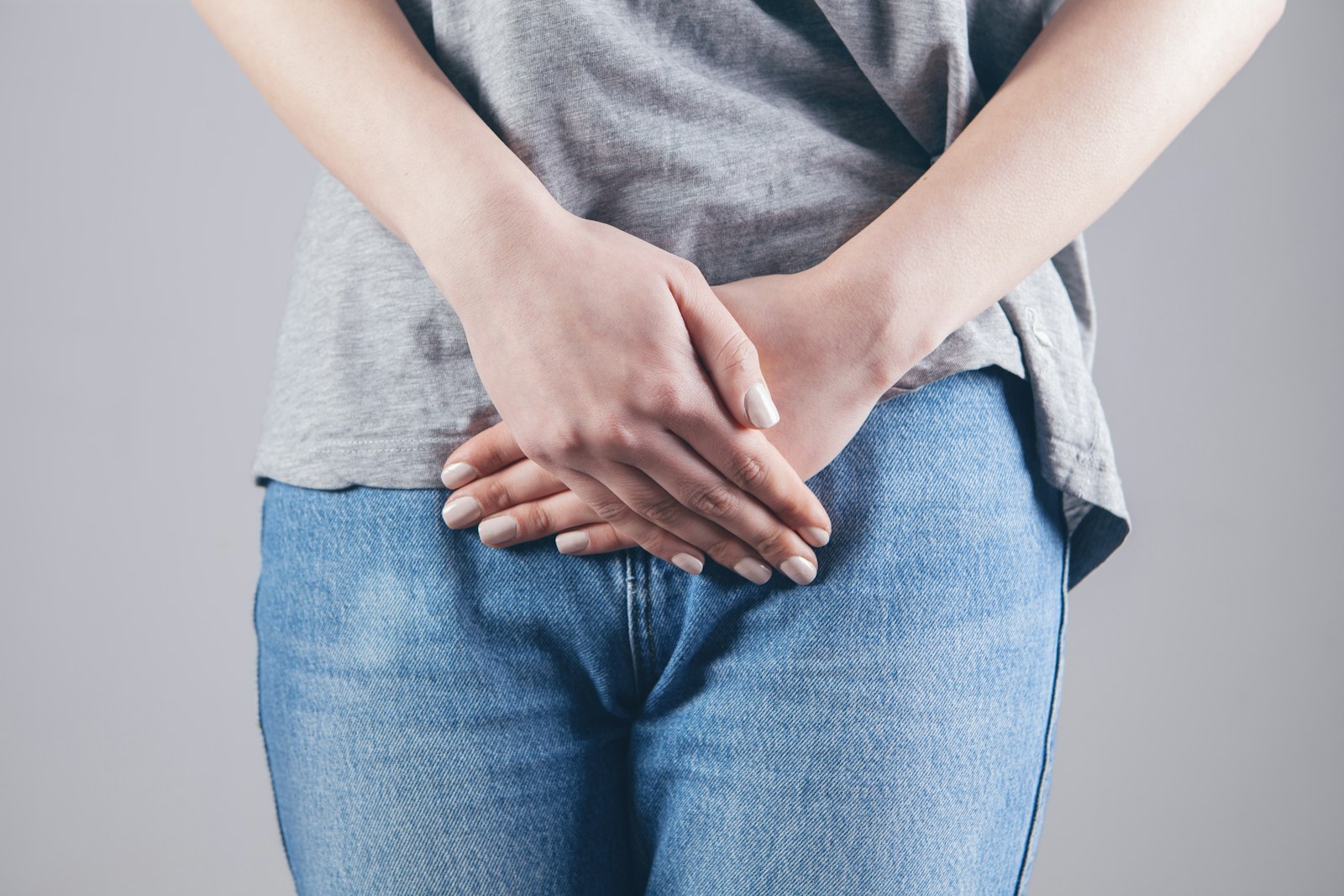
Person holding their abdomen, seen from the front – with IBS, pain, bloating and irregular bowel habits come and go

Belly pain one day, bloating the next, then diarrhea, then constipation – and every test so far has come back "normal"? Welcome to the frustrating daily life of many people with irritable bowel syndrome (IBS). The most important message first: your symptoms are real, not imagined, even if your endoscopy and lab results look fine. IBS is a recognized functional disorder of the gut – and there are more ways to get it under control than many people think.

Key takeaways

  • IBS is a common functional disorder: the gut is oversensitive and works out of sync – without any visible damage to the organ.
  • Typical: recurring belly pain linked to a change in bowel habits (diarrhea, constipation or alternating) plus bloating.
  • The diagnosis is more than ruling things out: a typical symptom pattern plus targeted exclusion of red flags.
  • Real symptoms, good outlook: IBS is a burden, but it isn't dangerous and doesn't raise your cancer risk.
  • What works is an individual mix of diet, stress management and targeted medication.

What is irritable bowel syndrome?

In IBS, the communication between your gut and your brain is disrupted – experts call it a disorder of the gut-brain axis. The gut overreacts to normal stimuli such as stretching or gas, its movements fall out of rhythm, and the gut bacteria are often altered, too. The result: pain, cramps, bloating and bowel habits that do whatever they want – without any damage to the organ itself.

IBS is not rare: by some estimates, about one in ten adults is affected, women more often than men. Symptoms often start after a stomach bug or during a stressful period – stress alone doesn't cause IBS, but it can make it a lot worse.

Typical symptoms – and the pattern that matters

  • Recurring belly pain: cramping or pressing, often in the lower abdomen – typically tied to bowel movements: things often get better after you've been to the bathroom.
  • Changed bowel habits: diarrhea, constipation or both in turns; mucus in the stool can happen, too.
  • Bloating and a feeling of fullness: your belly visibly swells as the day goes on – more in the evening than in the morning.
  • Feeling you haven't finished: even after going to the bathroom, it feels like "there's still more."
  • The timing pattern: symptoms last for months, come in flare-ups – and typically happen during the day, not waking you from sleep.

Important to understand: IBS is not a diagnosis of last resort. It's made when the typical symptom pattern is present and red flags have been specifically ruled out. That exact combination gives you certainty – and with IBS, certainty is already part of the treatment.

When you need to act right away

The following red flags don't fit IBS and should always be checked by a doctor promptly:

  • Blood in your stool, or black stool
  • Unintended weight loss or fever
  • Symptoms that wake you from sleep at night
  • New symptoms starting at around age 50 or later
  • A family history of colon cancer or inflammatory bowel disease

Please don't wait:

See a doctor promptly


Is your gut running your day?

We take your symptoms seriously and work through them step by step – at our practice in central Stuttgart.

Book an appointment

How we check it out at our practice

  • A detailed conversation: symptom pattern, diet, stress factors, medications, red flags – with IBS, a careful history is the most important diagnostic tool.
  • Physical exam: feeling and listening to your abdomen, checking for tenderness and bowel sounds.
  • Making sense of your results: bring any lab values, stool tests or colonoscopy reports you have – we explain them in plain language and tell you honestly which test would still be useful and where you can have it done.
  • Coordination and a plan: if a colonoscopy or special tests (for example for food intolerances or celiac disease) are needed, we coordinate the steps – and at the same time build a treatment plan that works in your daily life.
Diet is a key lever in IBS – tailored to you, not one-size-fits-all

What actually helps: the building blocks of treatment

  • Tailor your diet: a food and symptom diary exposes your personal triggers. Many people are helped by a time-limited low-FODMAP diet (fewer of certain fermentable sugars) – ideally with professional guidance, so your diet doesn't become needlessly restrictive.
  • Routine instead of crash diets: regular meals, eaten without rushing, plenty of fluids – your gut loves routine.
  • Stress management: relaxation techniques, exercise and, if needed, gut-directed hypnotherapy or cognitive behavioral therapy act directly on the gut-brain axis – with well-documented results.
  • Targeted medication by symptom: antispasmodics for pain, soluble fiber such as psyllium husk for constipation, proven agents for diarrhea – matched to your individual type, not sprayed around at random.
  • Peppermint oil and similar options: enteric-coated peppermint oil is one of the best-studied herbal options for cramps and pain.

"'There's nothing wrong with you' is the wrong message for IBS. The right one is: 'There's nothing dangerous – and we have a plan.'"

Daniel Lindenthal, Physician

Frequently asked questions about IBS

What are the typical symptoms of IBS?
Typical signs are recurring belly pain linked to a change in bowel habits – diarrhea, constipation or both in turns – plus bloating and a feeling of fullness. Symptoms last for months, come in flare-ups, often improve after a bowel movement, and typically don't wake you from sleep.
How is IBS diagnosed?
The diagnosis rests on the typical symptom pattern lasting at least three months, plus targeted exclusion of red flags and other relevant causes – depending on the situation, for example celiac disease, food intolerances or inflammatory bowel disease. A colonoscopy isn't always needed, but it makes sense if there are red flags or from about age 50.
Is IBS dangerous?
No. IBS is a burden and can seriously affect your quality of life, but it doesn't damage the bowel and doesn't raise your risk of colon cancer. That's exactly why a clear diagnosis is so valuable: it takes away the fear – and fear is often a symptom amplifier in its own right.
What helps most with IBS?
There's no single treatment, but individual combinations: an adjusted diet (often with a time-limited low-FODMAP phase), stress management, exercise and targeted medication depending on your main symptom – such as antispasmodics, psyllium husk or peppermint oil. A symptom diary helps you find your personal triggers.
Where can I get IBS symptoms checked in Stuttgart?
At Privatpraxis Lindenthal on Rotebühlplatz in central Stuttgart, we take gut symptoms seriously: a detailed consultation, a physical exam, a plain-language explanation of the results you bring along, and a treatment plan that works in your daily life – and we coordinate any further tests for you. Same-day appointments are available.

Sources

  1. German Society of Gastroenterology, Digestive and Metabolic Diseases (DGVS): S3 guideline on irritable bowel syndrome (in German). dgvs.de
  2. Institute for Quality and Efficiency in Health Care (IQWiG): gesundheitsinformation.de – Irritable bowel syndrome (in German). gesundheitsinformation.de
  3. Gastro-Liga e. V. (German digestive health association): patient information on irritable bowel syndrome (in German). gastro-liga.de
This article is for general information only. It does not replace personal medical advice, diagnosis or treatment. If you have symptoms, please contact the practice directly.
Daniel Lindenthal
Daniel Lindenthal

Physician and founder of Privatpraxis Lindenthal in Stuttgart. His promise: fair, transparent care – and a conversation at eye level.

Book an appointment

Ready for the next step?

Book your appointment now – honest advice and plenty of time for your questions.

Book an appointment