

Skip to content
Stomach & Digestion

Upper Abdominal Pain – Right, Left or Center: What's Behind It?

Updated: 08/13/2026·8 min read·Medically reviewed
Daniel Lindenthal
Daniel LindenthalPhysician · Private practice Stuttgart
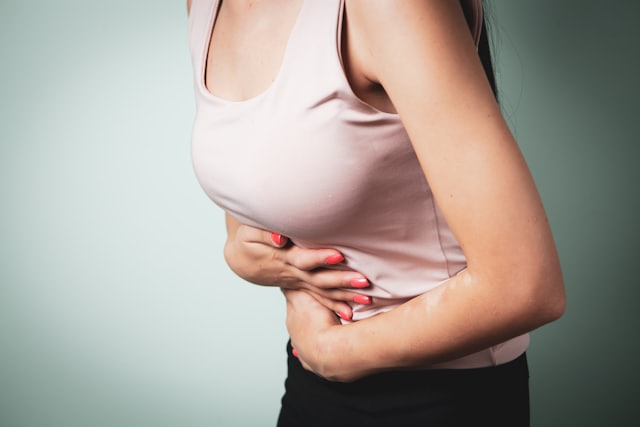
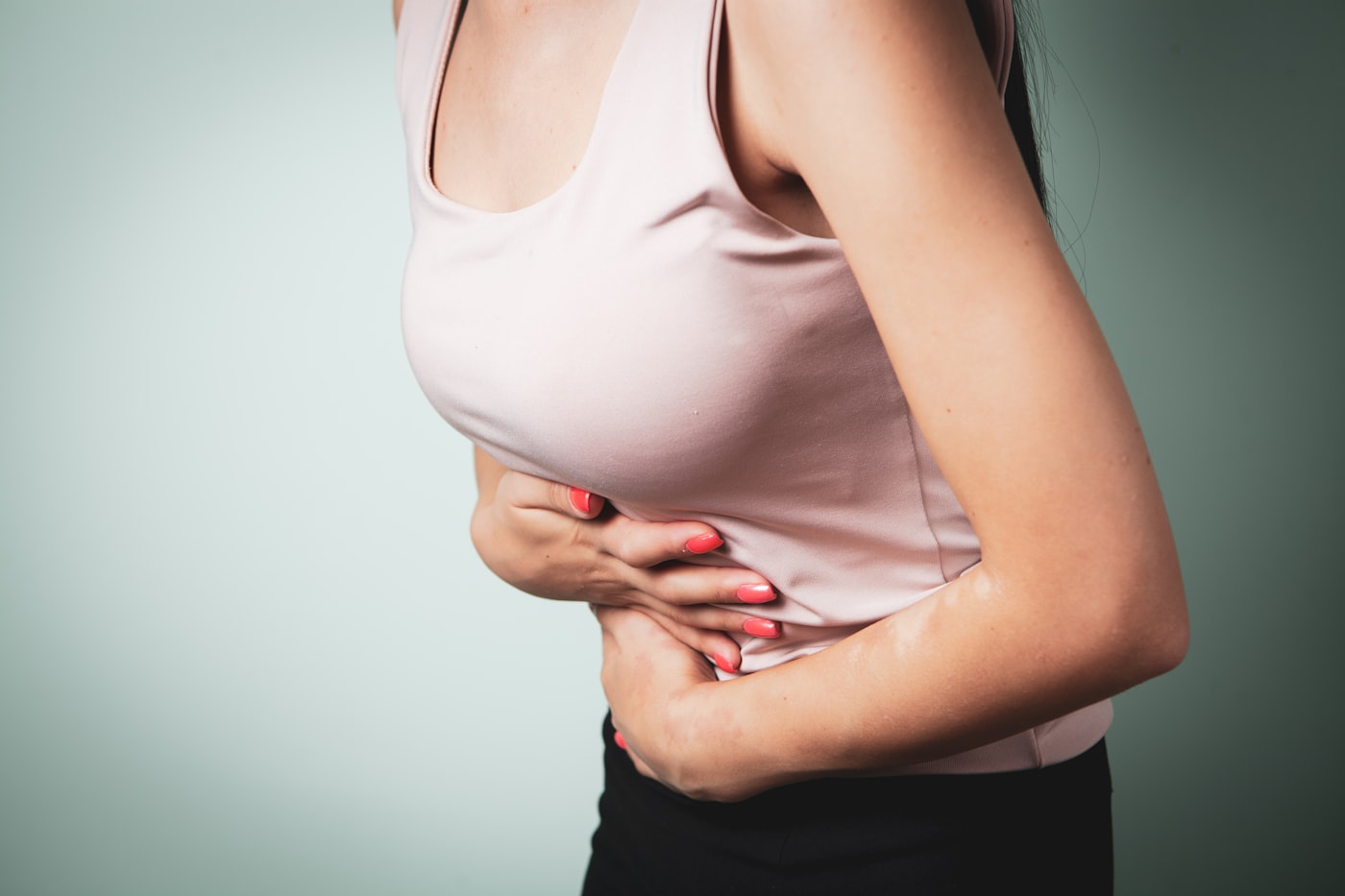
Woman holding her upper abdomen – where the pain sits gives important clues to the cause

It presses, burns or cramps above your belly button – and the guessing starts right away: stomach? Gallbladder? Or something else entirely? The upper abdomen is actually a kind of map: where the pain sits often tells you which organ is speaking up. Here you'll learn to read that map – and find out which complaints can wait a bit and which belong in a doctor's hands right away.

Key takeaways

  • Pain in the center usually points to the stomach and esophagus – from gastritis to reflux.
  • The right side is liver and gallbladder territory: cramping pain after fatty food suggests gallstones.
  • On the left, it's less often the stomach, pancreas or spleen.
  • The heart and lungs can also send pain into the upper abdomen – especially in women and people with diabetes.
  • Sudden extreme pain, fever with yellowing of the skin, or blood in your vomit are emergencies.

Center: the stomach lane

Pain between the rib cages is the territory of the stomach and duodenum (the first part of the small intestine). Burning and pain on an empty stomach point to an irritated stomach lining or an ulcer; pressure and a feeling of fullness after eating point to gastritis or a sensitive stomach (functional dyspepsia); burning that rises upward points to reflux. Common companions: pain relievers (NSAIDs), stress, alcohol – and the stomach bacterium Helicobacter pylori.

Right: liver and gallbladder

Intense pain in the right upper abdomen that comes in waves, spreads to your shoulder or back, and likes to show up after a fatty meal is the classic picture of a gallbladder attack (biliary colic). A constant dull pressure can come from an enlarged liver – the liver itself hardly hurts, but its outer capsule does. If fever, chills or yellowing of the skin and eyes join in, it becomes urgent.

Pain in the left upper abdomen can come from the stomach. Constant, belt-shaped pain that wraps around into your back and comes with nausea is the warning picture of an inflamed pancreas (pancreatitis) – typically after heavy drinking or with gallstones. And last but not least: a heart attack can disguise itself as "stomach pressure," especially in women, older people and people with diabetes.

When you need to act right away

Most upper abdominal pain is harmless. Call emergency services right away if you have:

  • Sudden, extreme pain with a hard, rigid belly
  • Upper abdominal pain with chest tightness, shortness of breath or cold sweat
  • Vomiting blood, or black stools
  • Cramping pain with high fever, chills or yellowing of the skin

These combinations can't wait:

Call 112 (emergency)

Pain in your upper abdomen?

We take a thorough look at your symptoms and coordinate the right tests – in central Stuttgart.

Book an appointment

How we get to the bottom of it at our practice

  • Focused questions about your pain: location, character, triggers, relation to meals and accompanying symptoms – that alone usually points us in a clear direction.
  • Thorough physical exam: gently feeling all areas of your abdomen, listening to your bowels, heart and lungs, measuring your blood pressure – plus a resting EKG if the heart is a possible cause.
  • Making sense of results you bring along: we translate lab values, ultrasound reports or earlier findings into plain language and tell you honestly which test makes sense next.
  • Coordinating further testing: whether it's an ultrasound, an endoscopy (a look into the stomach) or a Helicobacter test – we line up the steps and keep track of the big picture.
A careful exam of the abdomen is the first and most important step

What you can watch for yourself

  • Keep a pain diary: when does the pain show up – on an empty stomach, after eating, at night? What makes it better, what makes it worse? These patterns are diagnostic gold.
  • Cut out triggers as a test: reduce fatty meals, alcohol, coffee and late-night eating for one to two weeks – if things improve, that's a clue.
  • Take a hard look at pain relievers: common pain relievers (NSAIDs) attack the stomach lining – if you take them regularly, talk to your doctor about it.
  • Don't mask it long-term: over-the-counter acid blockers are meant for days, not months – ongoing symptoms need a diagnosis.

"The upper abdomen is a map. If you know the language of its regions, you usually find the cause surprisingly fast."

Daniel Lindenthal, Physician

Common questions about upper abdominal pain

What does pain in the center of the upper abdomen mean?
Pain in the center between the rib cages usually comes from the stomach or duodenum: gastritis, a sensitive stomach (functional dyspepsia), reflux or an ulcer are the most common causes. Typical clues are burning, pain on an empty stomach, or pressure after eating. If the symptoms last longer than two weeks, they should be checked.
What does pain in the right upper abdomen mean?
The right side is where the liver and gallbladder sit. Cramping pain that comes in waves after a fatty meal points to gallstones; a dull, constant pressure can come from the liver's outer capsule. With fever, chills or yellowing of the skin, it becomes an urgent case.
Can upper abdominal pain come from the heart?
Yes. A heart attack can disguise itself as upper abdominal or "stomach" pain, especially in women, older people and people with diabetes. If upper abdominal pain comes with chest tightness, shortness of breath, cold sweat or nausea: call 112 right away.
When should I see a doctor about upper abdominal pain?
Soon if the pain lasts longer than about two weeks, keeps coming back, comes with weight loss or trouble swallowing, or wakes you up at night. You need medical help right away with sudden extreme pain, a hard belly, vomiting blood, black stools or cramping pain with fever.
Where can I get upper abdominal pain checked in Stuttgart?
At Privatpraxis Lindenthal on Rotebühlplatz in central Stuttgart: focused questions about your symptoms, a thorough physical exam including a resting EKG if the heart is suspected, a plain-language explanation of results you bring along, and coordination of an ultrasound, endoscopy or Helicobacter test. Same-day appointments are available.

Sources

  1. German Society of Gastroenterology, Digestive and Metabolic Diseases (DGVS): Guidelines (in German). dgvs.de
  2. Institute for Quality and Efficiency in Health Care (IQWiG): gesundheitsinformation.de – Abdominal pain (in German). gesundheitsinformation.de
  3. German Heart Foundation (Deutsche Herzstiftung): Heart attack warning signs (in German). herzstiftung.de
This article is for general information only. It does not replace personal medical advice, diagnosis or treatment. If you have symptoms, please contact the practice directly.
Daniel Lindenthal
Daniel Lindenthal

Physician and founder of Privatpraxis Lindenthal in Stuttgart. His standard: fair, transparent care – and talking with you as an equal.

Book an appointment

Ready for the next step?

Book your appointment now – honest advice and enough time for your questions.

Book an appointment