


Skip to content
Head & Nerves

Dizziness: Understand the Causes, Know the Warning Signs

Updated: 08/13/2026·8 min read·Medically reviewed
Daniel Lindenthal
Daniel LindenthalPhysician · Private practice Stuttgart
Woman steadying herself on a table – dizziness makes the body look for support

Suddenly the room spins, the floor sways like the deck of a ship, or a vague lightheaded feeling hangs over your whole day – dizziness is one of the most common and, at the same time, most unsettling symptoms there is. The good news: in most cases there’s a harmless cause behind it that can be treated in a targeted way. What matters most is describing the type of dizziness precisely – because that points the way to the cause.

Key takeaways

  • The type of dizziness is the most important clue: spinning (vertigo), unsteadiness and lightheadedness have different causes.
  • Benign positional vertigo is the most common cause of brief spinning attacks – and easy to treat with simple maneuvers.
  • Circulation, blood pressure and medications are common triggers of lightheadedness and vision going black.
  • Sudden dizziness with weakness, trouble speaking or trouble seeing is an emergency.
  • The basic exam – conversation, exam, blood pressure, EKG – often already brings clarity.

Which type of dizziness do you have?

  • Spinning dizziness (“merry-go-round”): the room spins around you – typical of problems with the balance organ in the inner ear, such as benign positional vertigo with certain head movements.
  • Unsteadiness (“ship’s deck”): you feel unsteady standing and walking – common with ongoing balance disorders, and also with stress-related dizziness.
  • Lightheadedness (“wrapped in cotton”): a vague feeling of emptiness in your head – often circulation-related, from low blood pressure, medications, dehydration or low blood sugar.
  • Vision going black when you stand up: a brief drop in blood flow to the brain when you change position – usually harmless, but annoying.

The most common causes

  • Benign positional vertigo: tiny crystals in the balance organ drift into the wrong canal – short, intense spinning attacks when you turn over in bed or bend down. Targeted repositioning maneuvers often fix it in a few sessions.
  • Circulation and blood pressure: blood pressure that’s too low or swings a lot makes you dizzy – and so do heart rhythm problems.
  • Medications: blood pressure drugs, sedatives and sleeping pills are among the most commonly overlooked triggers, especially in combination.
  • Inner ear disorders: from vestibular neuritis (sudden, constant spinning for days) to Ménière’s disease (attacks with ringing in the ear and hearing loss).
  • Muscle tension and stress: your neck and your mind play a part, too – ongoing unsteadiness with no physical finding is often linked to stress.
When to act right away

Most types of dizziness are harmless. But call emergency services right away if dizziness comes with any of these signs:

  • Weakness or paralysis, numbness, or a drooping corner of the mouth
  • Trouble speaking, swallowing or seeing (e.g., double vision)
  • An extremely severe headache that starts out of nowhere
  • Loss of consciousness or repeated falls

These can be signs of a stroke:

Call 112 (emergency)

Is the world spinning?

We work out what’s behind your dizziness step by step – with a circulation check and a resting EKG in central Stuttgart.

Book an appointment

How we get to the bottom of it at our practice

  • A precise dizziness history: type, duration, triggers and other symptoms – with dizziness, your own description is the single most important diagnostic tool.
  • Physical exam: balance and coordination tests, blood pressure lying down and standing up, examination of the heart and the neck arteries.
  • Resting EKG right here in the practice: this lets us check directly whether a heart rhythm problem is causing the dizziness.
  • Review and coordination: we explain any results you bring along in plain English; if ENT testing, repositioning maneuvers or imaging make sense, we tell you honestly and coordinate the steps for you.
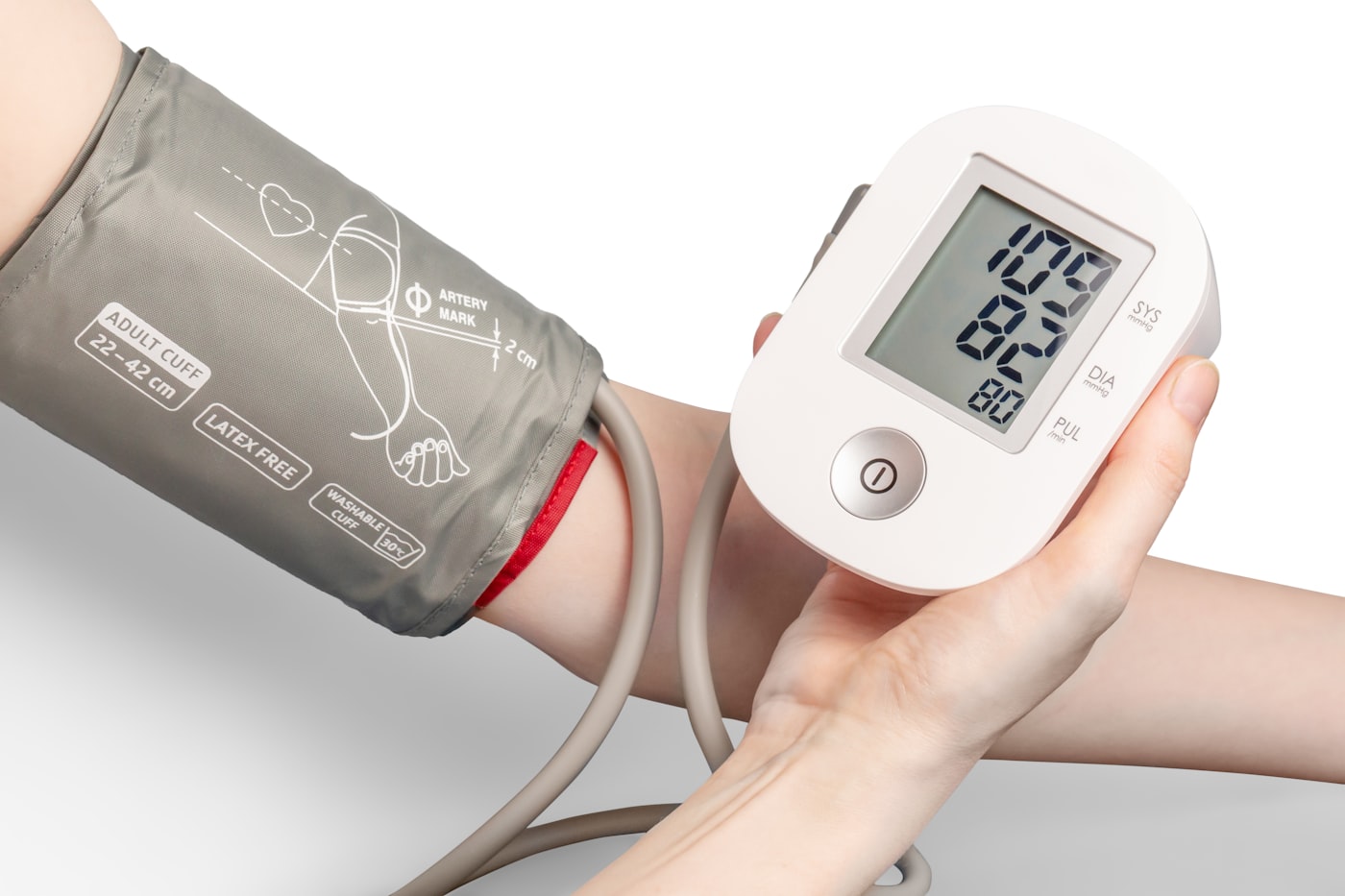
Measuring blood pressure lying down and standing up – a key part of the dizziness exam

What you can do yourself

  • Drink enough and eat regularly: dehydration and low blood sugar are mundane but common dizziness drivers.
  • Stand up slowly: with circulation-related dizziness, give your body time to adjust.
  • Keep moving: taking it easy makes many types of dizziness worse – targeted balance training, on the other hand, speeds up your brain’s adjustment.
  • Keep a dizziness diary: note the situation, duration and accompanying signs – worth its weight in gold for the diagnosis.
  • Bring your medication list: so we can spot possible triggers in your medications.

“With dizziness, the rule is: if you can describe it well, you’ve already brought half the diagnosis with you.”

Daniel Lindenthal, Physician

Common questions about dizziness

What are the most common causes of dizziness?
The most common are benign positional vertigo (brief spinning attacks when you move your head), circulation and blood pressure problems, medication effects and disorders of the balance organ in the inner ear. Stress and neck tension can also keep ongoing unsteadiness going.
When is dizziness dangerous?
Call emergency services right away if dizziness comes with weakness or paralysis, numbness, trouble speaking or seeing, an extremely severe headache or loss of consciousness – these can be signs of a stroke. Dizziness with fainting or a racing heart should also be checked quickly.
What is benign positional vertigo?
Tiny crystals in the balance organ drift into the wrong canal. Typical are intense spinning attacks lasting seconds when you turn over in bed, lie down or bend over. Treatment with targeted repositioning maneuvers is simple and very effective.
Which tests make sense for dizziness?
The basics are a detailed history, balance and coordination tests, blood pressure lying down and standing up, and a resting EKG. Depending on the findings, ENT testing, positional tests or imaging follow – we coordinate the steps that make sense for you.
Where can I get dizziness checked in Stuttgart?
At Privatpraxis Lindenthal on Rotebühlplatz in central Stuttgart, we work through dizziness step by step – with a precise history, a physical exam, a circulation check lying down and standing up, and a resting EKG. Same-day appointments are usually available.

Sources

  1. German Society of Neurology (DGN): Guidelines on dizziness and vertigo. dgn.org
  2. Institute for Quality and Efficiency in Health Care (IQWiG): gesundheitsinformation.de – Dizziness. gesundheitsinformation.de
  3. German Stroke Society: Recognizing the warning signs (FAST test). dsg-info.de
This article is for general information only. It doesn’t replace personal medical advice, diagnosis or treatment. If you have symptoms, please contact the practice directly.
Daniel Lindenthal
Daniel Lindenthal

Physician and founder of Privatpraxis Lindenthal in Stuttgart. His standard: fair, transparent care – and talking with you as an equal.

Book an appointment

Ready for the next step?

Book your appointment now – honest advice and plenty of time for your questions.

Book an appointment