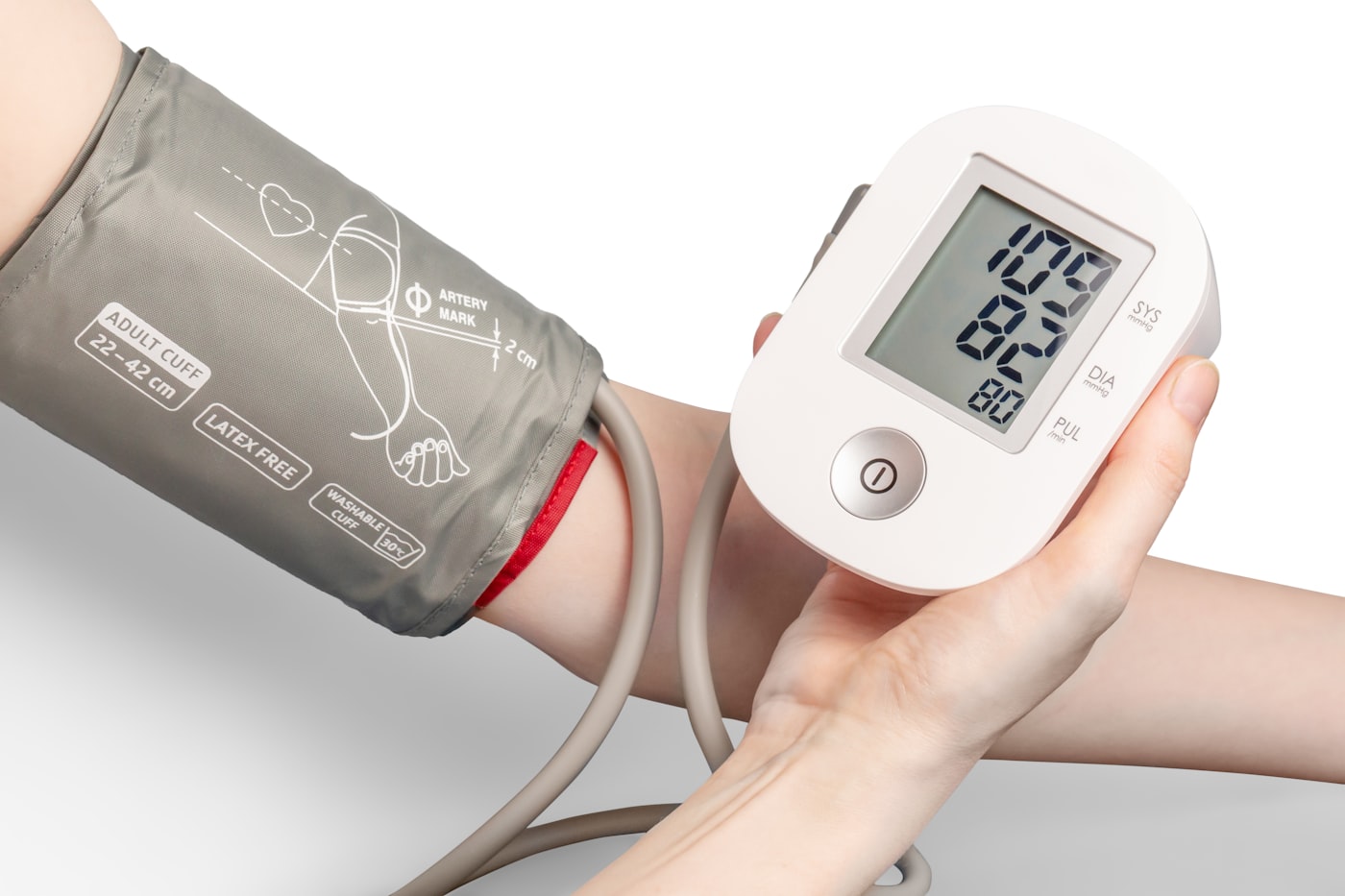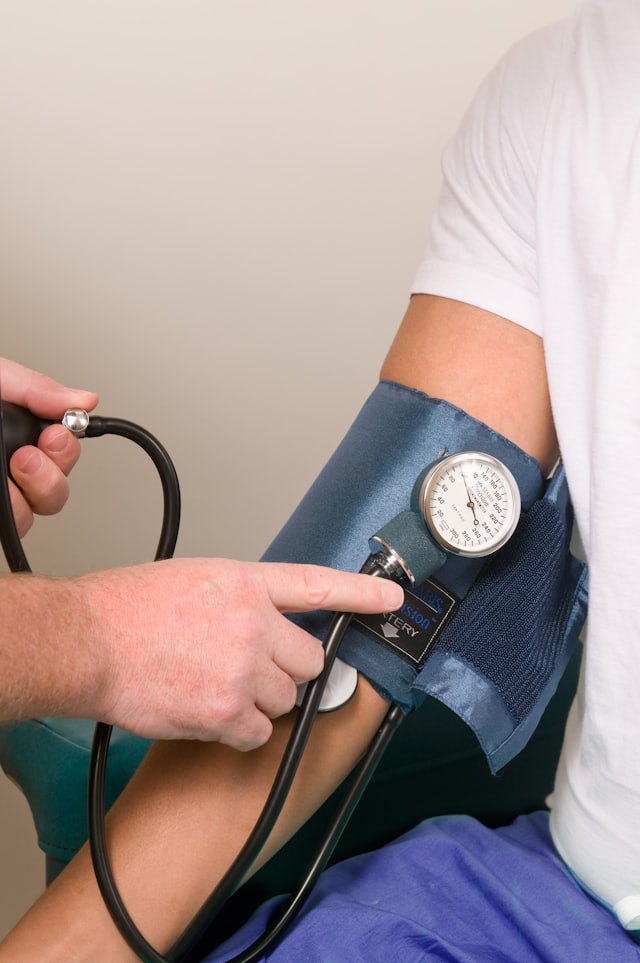

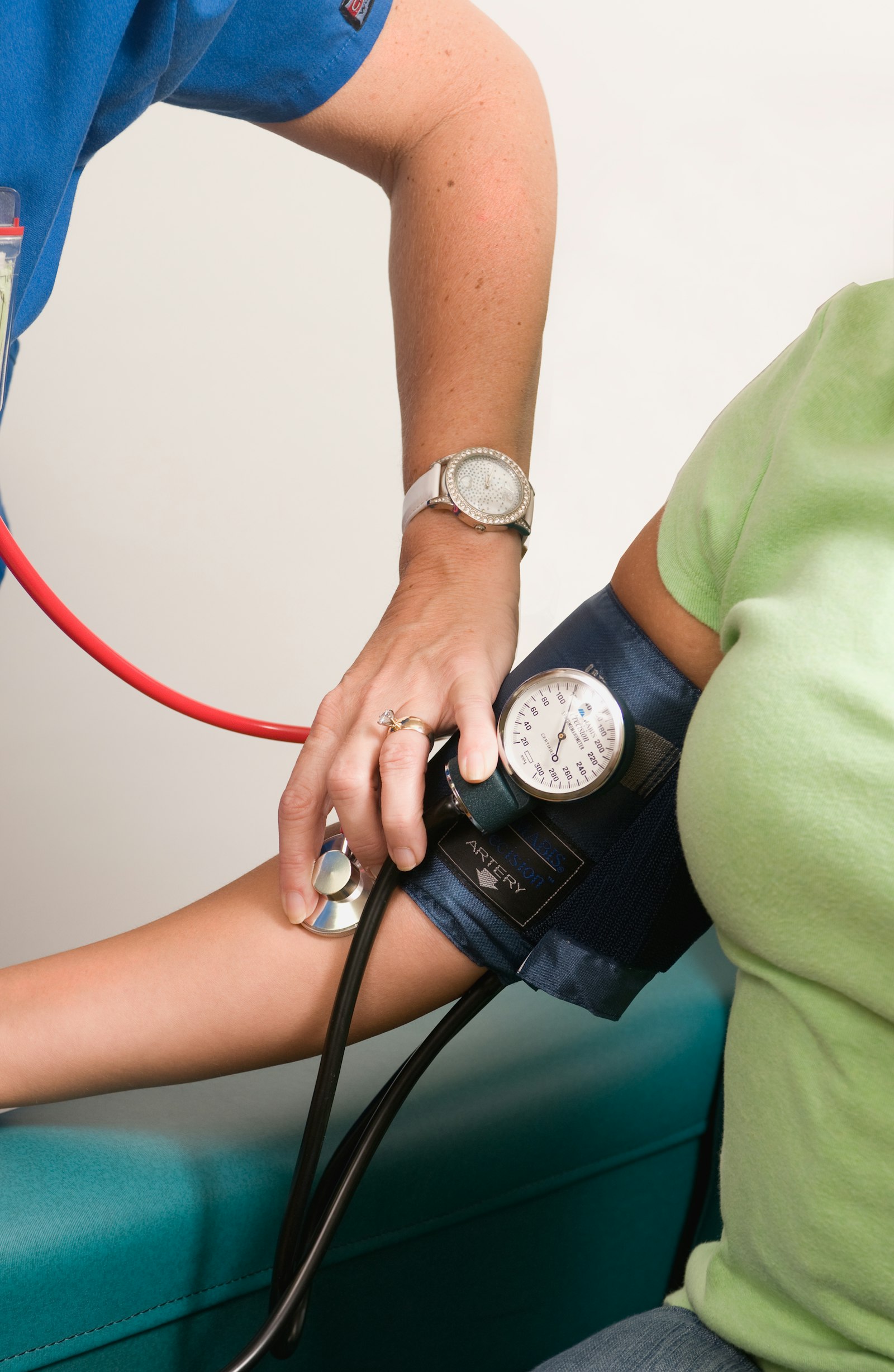
Your vision goes black for a moment when you stand up quickly, mornings are a slow start, and in summer your circulation feels like it's running in slow motion? While high blood pressure damages your blood vessels, low blood pressure (hypotension) usually isn't a disease at all – but it can really slow down your day. And in certain situations, it deserves a closer look, too. Here you'll learn when low blood pressure is harmless, what actually helps and when you should get it checked.
Key takeaways
- Low blood pressure roughly means readings below 100–110 over 60 mmHg – many people live with it and feel fine.
- Typical symptoms: dizziness when standing up, vision going black, fatigue, cold hands and feet, trouble concentrating.
- Unlike high blood pressure, low blood pressure doesn't damage your blood vessels – we treat the symptoms, not the number.
- Pay attention if low blood pressure is new, if you faint, or if medications could be involved.
- Simple steps – drinking enough, exercise, alternating hot and cold showers, standing up slowly – noticeably help most people.
What counts as "too low" – and is that bad?
Unlike high blood pressure, there's no hard cutoff that makes low blood pressure a disease. As a guide, readings below about 100–110 over 60 mmHg count as low – but what matters isn't the number, it's whether it causes symptoms. Many slim, young and athletic people naturally have low readings and feel great. From a blood-vessel point of view, that's actually a plus: low pressure doesn't wear your arteries down.
It gets annoying when your brain briefly doesn't get enough blood flow as you change position – for example when you stand up quickly (orthostatic hypotension). The room spins, your vision flickers, and sometimes you feel close to fainting. Unpleasant, but in most cases easy to manage.
Typical symptoms
- Dizziness and vision going black: especially when getting up from sitting or lying down, after standing for a long time, or in warm rooms.
- Slow starts in the morning: your circulation takes a long time to get going.
- Fatigue and trouble concentrating: your brain is running on low power – especially in the heat.
- Cold hands and feet: your body pulls blood toward the vital organs.
- Pounding heart when you stand up: your heart makes up for the drop in pressure by beating faster.
When you should take a closer look
The most common form is constitutional (essential) hypotension – harmless, and more a body type than a disease. You should take a closer look when low blood pressure is new or gets noticeably worse. Possible reasons then include: not enough fluids, infections, blood pressure or water pills at too high a dose, heart disease, an underactive thyroid, or problems with the autonomic nervous system. Actual fainting spells (syncope) should always be looked at by a doctor – the key question there is whether the heart is involved.
Low blood pressure is rarely an emergency – but in these situations it is. Call for help immediately if you have:
- Fainting that causes an injury, comes without warning, or happens during physical exertion
- Loss of consciousness together with chest pain, a racing heart or shortness of breath
- A drop in blood pressure with signs of a severe infection or after heavy fluid loss
These can be signs of an emergency:
Call 112 (emergency)