
Skip to content
Heart & Circulation

Heart Attack Warning Signs: The Symptoms Women and Men Should Take Seriously

Updated: 08/13/2026·7 min read·Medically reviewed
Daniel Lindenthal
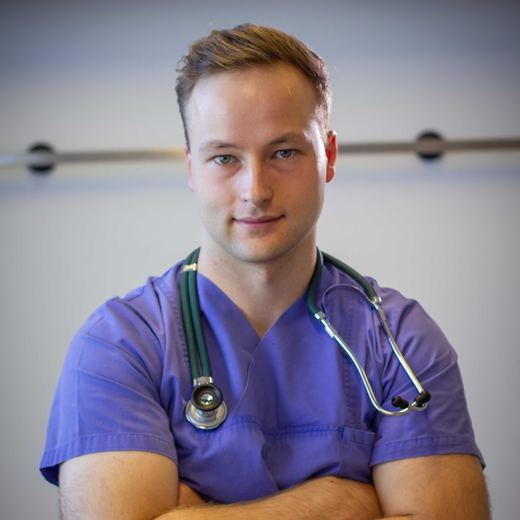
Daniel LindenthalPhysician · Private practice Stuttgart
Woman clutching her chest – heart attack symptoms are often less typical in women

In a heart attack, it's not the best hospital that decides the outcome – it's the time until someone calls for help. And that's exactly where precious time gets lost: because people don't recognize the signs, write them off as heartburn or a pulled muscle, or don't want to “be a bother.” Women in particular often have less typical symptoms. This article has one single goal: that you know the signs – and call 112 without hesitating when it counts.

Key takeaways

  • The main symptom is intense pressure or tightness in the chest, often spreading to the arm, back, neck or jaw – lasting more than five minutes.
  • In women, “atypical” signs are more often in the foreground: shortness of breath, nausea, upper abdominal pain, unusual exhaustion.
  • Accompanying signs such as cold sweats, a sense of impending doom and pale skin make it even more urgent.
  • If you suspect a heart attack, the rule has no exceptions: call 112 immediately – don't drive yourself, don't wait, don't call your doctor's office first.
  • The risk can be lowered: blood pressure, cholesterol, smoking, diabetes and exercise are the big levers.
When to act right away

Call 112 immediately if one or more of these signs appear and last longer than about five minutes:

  • Intense pressure, burning or tightness in the chest – at rest or with the slightest exertion
  • Pain spreading to the arm(s), back, neck, jaw or upper abdomen
  • Sudden shortness of breath, cold sweats, nausea or vomiting
  • Unusually severe weakness, pale skin, a sense of impending doom
  • Loss of consciousness – in that case, also start CPR right away

Better to call once too often than once too late – that's exactly what 112 is for:

Call 112 (emergency)

The typical warning signs

The classic picture: a severe, persistent pressure or tightness behind the breastbone – “like an elephant sitting on my chest.” The pain can spread to the left (less often the right) arm, between the shoulder blades, or to the neck, jaw or upper abdomen. Unlike a pulled muscle or heartburn, it doesn't change with movement, posture or burping, and it lasts longer than five minutes. Cold sweats, shortness of breath and an overwhelming sense of fear often come with it.

Why women are affected differently

In women, a heart attack more often comes without the classic crushing pain. Instead, the main symptoms are shortness of breath, pronounced nausea or vomiting, pain in the upper abdomen or back, trouble sleeping, and an unusual, leaden exhaustion – sometimes starting days earlier. It's precisely this vagueness that leads women, on average, to call for help later and get treated later. So the rule is simple: new, unexplained symptoms above the waistline plus feeling unwell – when in doubt, call 112.

Also important: A heart attack can be “silent,” especially in people with diabetes, when the nerves' sense of pain is impaired. That's why an unexplained drop in stamina or new shortness of breath on exertion should be checked soon, even without pain.
Keeping an eye on your heart risk?

Prevention instead of emergency: blood pressure, resting EKG and an honest risk assessment – in central Stuttgart.

Book an appointment

What to do if you suspect a heart attack

  • Call 112 immediately: say what you suspect (“possible heart attack”) – the ambulance crew comes to you with an EKG and equipment.
  • Don't drive yourself: neither the person affected nor a family member should drive to the hospital in a private car – in the ambulance, treatment starts on the way.
  • Sit up with the upper body raised, loosen tight clothing: stay calm, avoid exertion, don't eat or drink anything.
  • If the person is unconscious and not breathing normally: start chest compressions right away – hard and fast in the center of the chest, 100–120 times per minute, until the ambulance crew takes over.
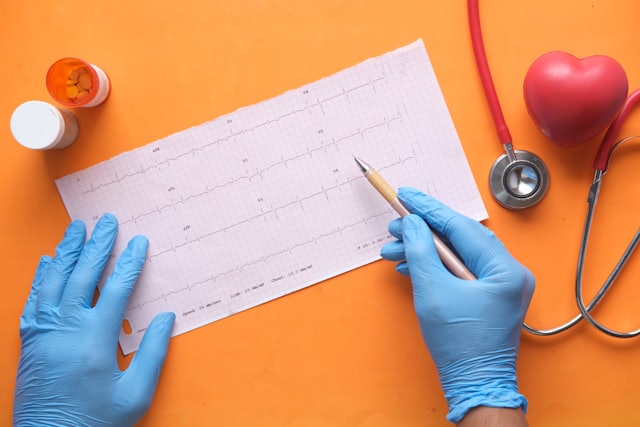
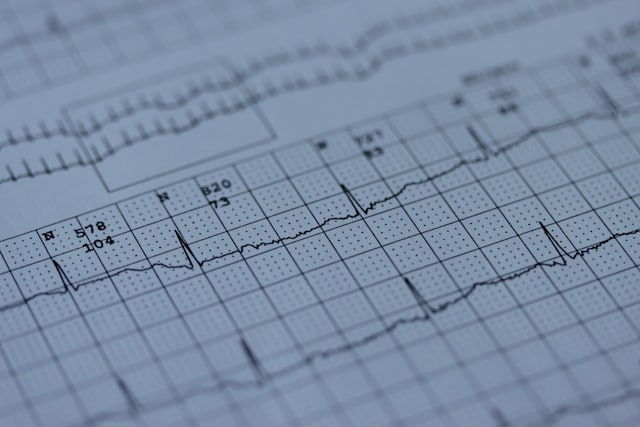
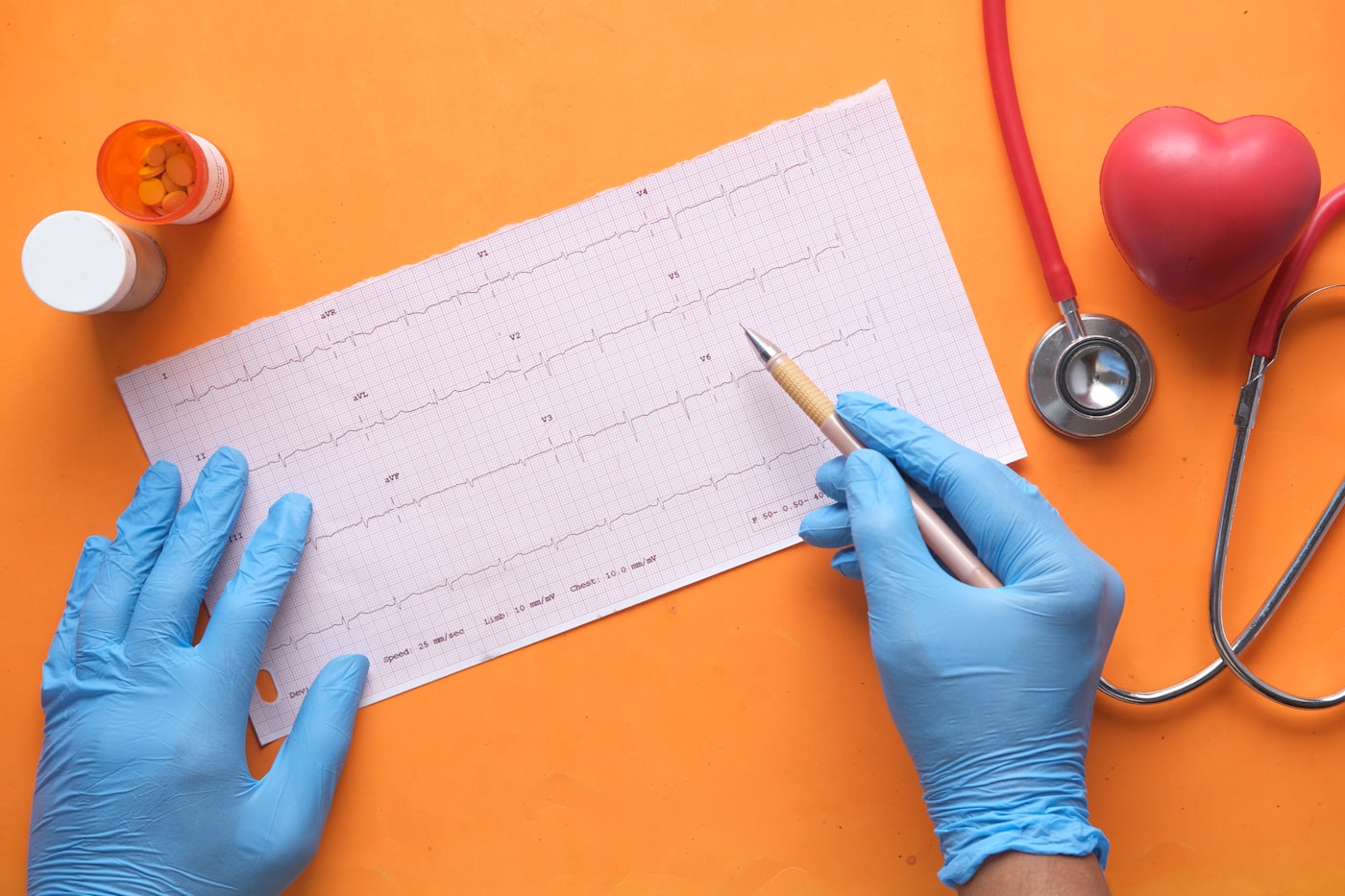
The EKG shows the heart attack – in an emergency, the ambulance crew brings it along

Prevention: what really lowers your risk

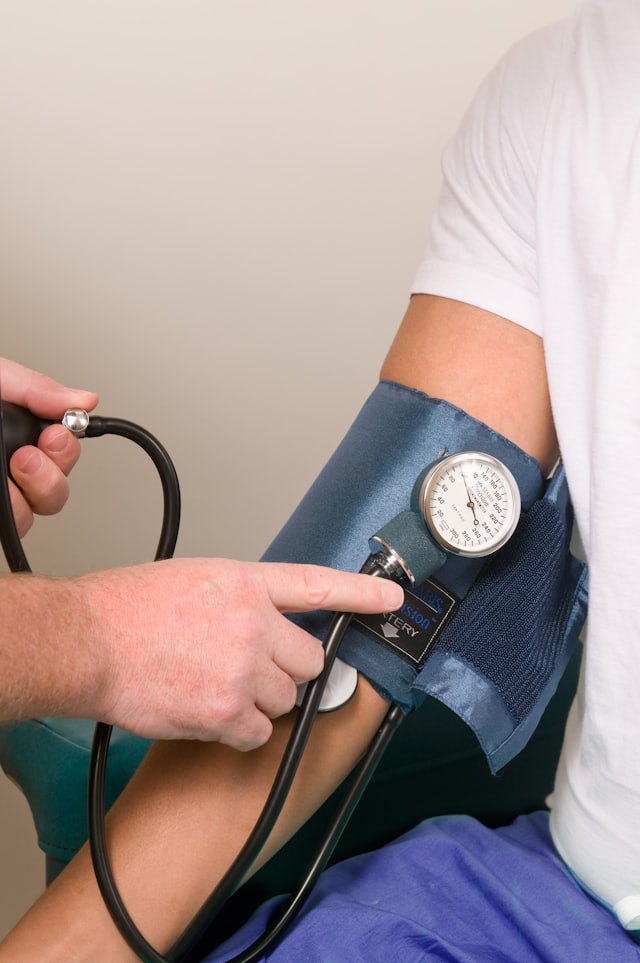
The best heart attack is the one that never happens. The major risk factors are well known and can be changed: high blood pressure, elevated LDL cholesterol, smoking, diabetes, excess weight and lack of exercise. At Privatpraxis Lindenthal on Rotebühlplatz in Stuttgart, we offer a structured heart and circulation check for exactly this: a detailed conversation about risk factors and family history, a physical exam, blood pressure measurement and a resting EKG – plus a plain-language explanation of the lab results you bring along, such as cholesterol and blood sugar. By the end, you know your personal risk profile and the levers that are most worth pulling for you.

“With a heart attack, there's no false alarm you'd ever regret – only calls that came too late.”

Daniel Lindenthal, Physician

Common questions about heart attack warning signs

What are the typical signs of a heart attack?
Typical is an intense pressure or tightness in the chest lasting more than five minutes, often spreading to the arm, back, neck, jaw or upper abdomen – frequently accompanied by cold sweats, shortness of breath, nausea and a sense of fear. The pain doesn't change with movement or posture.
What heart attack symptoms do women have?
Women more often have atypical signs: shortness of breath, pronounced nausea or vomiting, pain in the upper abdomen or back, trouble sleeping and unusual exhaustion – sometimes days before the event. Even without classic chest pain, the rule for new, unexplained feelings of being unwell is: when in doubt, call 112.
How do I tell a heart attack from heartburn or a pulled muscle?
In a real emergency, nobody can tell reliably on their own – which is why the rule is: persistent pressure or burning in the chest with shortness of breath, cold sweats or pain spreading elsewhere is an emergency until proven otherwise. Heartburn tends to depend on position and taste sour; muscle pain depends on movement – but when in doubt, 112 decides, not self-diagnosis.
What do I do if I suspect a heart attack?
Call 112 immediately and say clearly what you suspect, sit the person up with the upper body raised, loosen tight clothing, stay calm, don't drive yourself. If the person is unconscious and not breathing normally, start chest compressions right away until the ambulance crew takes over.
How can I lower my heart attack risk in Stuttgart?
With the structured heart and circulation check at Privatpraxis Lindenthal on Rotebühlplatz in central Stuttgart: a risk conversation, physical exam, blood pressure and resting EKG, plus a plain-language explanation of your cholesterol and blood sugar results. That way you know your personal levers. Same-day appointments are usually available.

Sources

  1. German Heart Foundation (Deutsche Herzstiftung e. V.): heart attack – warning signs and what to do in an emergency. herzstiftung.de
  2. European Society of Cardiology (ESC): guidelines on acute coronary syndromes. escardio.org/Guidelines
  3. Institute for Quality and Efficiency in Health Care (IQWiG): gesundheitsinformation.de – heart attack. gesundheitsinformation.de
This article is for general information only. It does not replace individual medical advice, diagnosis or treatment. If you have symptoms, please contact the practice directly.
Daniel Lindenthal
Daniel Lindenthal

Physician and founder of Privatpraxis Lindenthal in Stuttgart. His standard: fair, transparent care that treats you as a partner.

Book an appointment

Ready for the next step?

Book your appointment now – honest advice and enough time for your questions.

Book an appointment