You measured at home and the top number is over 140? Or you’ve been getting more headaches lately, feel dizzy, and wonder if your blood pressure is behind it? You’re not alone: around 20 to 30 million people in Germany have high blood pressure – many without knowing it.
Key takeaways
- High blood pressure usually causes no symptoms you can feel – that’s why it’s called the “silent risk factor.”
- Possible signs: morning headaches, dizziness, ringing in the ears, nosebleeds, a pounding heart.
- Hypertension (high blood pressure) means repeated readings of 140/90 mmHg or higher at the doctor’s office.
- Readings above 180/120 mmHg with symptoms are an emergency – call 112.
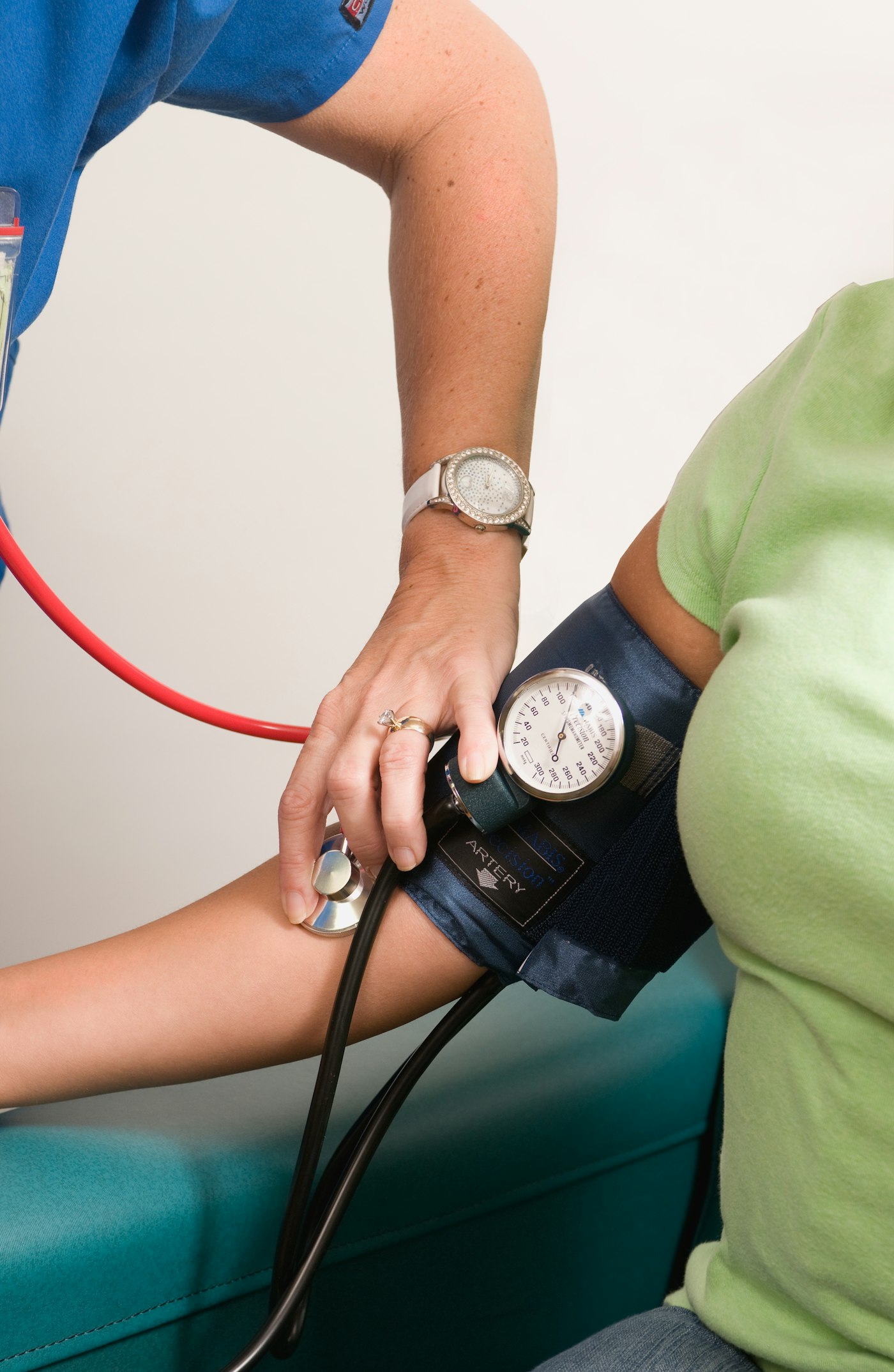
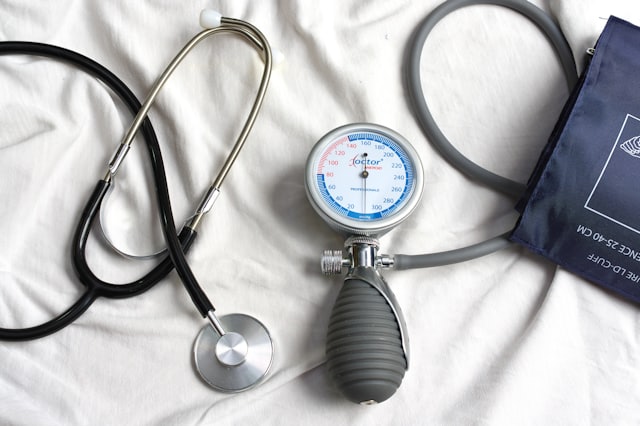
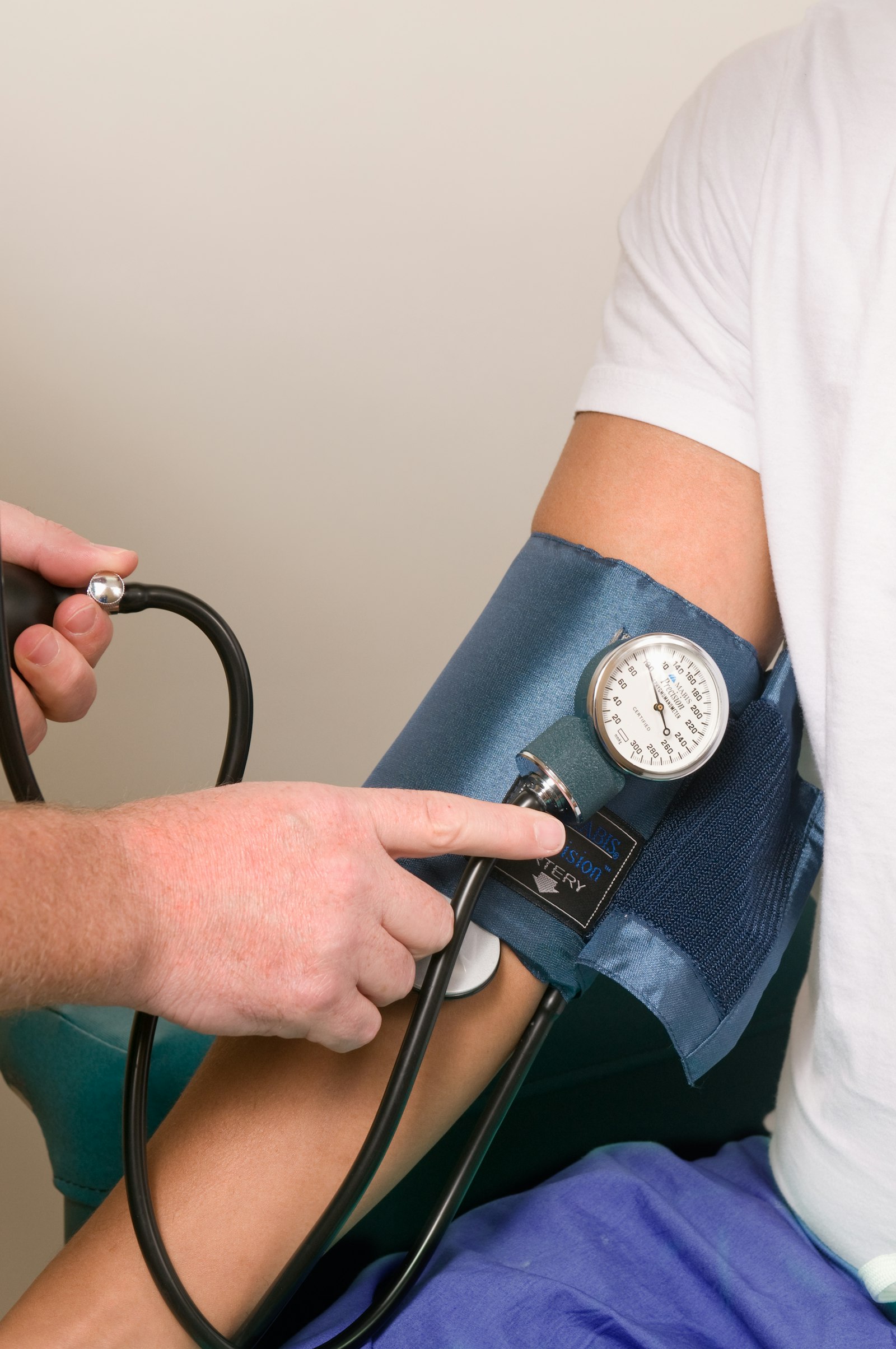
- Only measuring gives you certainty – at the practice, at home, or with a 24-hour monitor.
What is high blood pressure – and when does it become a problem?
Blood pressure is the force of your blood pushing against the walls of your blood vessels. It’s written as two numbers: the top (systolic) number is the pressure when your heart pumps blood out, and the bottom (diastolic) number is the pressure when the heart muscle relaxes. Both numbers naturally go up and down during the day – they rise with effort, stress or excitement and fall when you rest or sleep.
It becomes a problem when the pressure stays high all the time. Then your heart and blood vessels are constantly working against too much resistance. Over the years, this can damage the vessel walls and clearly raise your risk of heart attack, stroke, heart failure and kidney damage. That’s exactly why it pays to catch high readings early – long before you feel anything.
A guide based on the European guidelines (measured at the doctor’s office, values in mmHg):
Good to know: One high reading is not a diagnosis. Excitement, pain, caffeine or the “white coat effect” at the doctor’s office can push the number up for a while. What counts is the pattern across several readings on different days.
Which symptoms can point to high blood pressure?
When high blood pressure does cause symptoms, they’re usually vague – meaning they could have many other causes, too. That’s what makes it so hard to judge without measuring. Pay attention if several of the following signs show up together or keep coming back:
- Morning headaches: typically a dull, pressing pain at the back of the head, right after waking up, easing over the course of the morning.
- Dizziness and lightheadedness: feeling unsteady or wobbly, often when standing up quickly or during exertion.
- Ringing in the ears (tinnitus): a rushing, whistling or pulsing sound in your ear.
- Pounding or skipping heartbeat: a noticeably strong, fast or irregular heartbeat, even at rest.
- Nosebleeds: repeated and without an obvious trigger, especially when readings are very high.
- Vision problems: blurry vision or “flickering” in front of your eyes – the fine blood vessels in the retina are sensitive to pressure.
- Shortness of breath: getting out of breath faster during activities that used to be easy.
- Poor sleep and restlessness: restless sleep and waking up at night can go along with high blood pressure during the night.
In women, these symptoms can overlap with typical menopause symptoms such as hot flashes and mood swings, so they’re often misread. In men, ongoing erectile problems can be an early sign of blood vessel changes caused by high blood pressure – a topic worth raising openly, because it gives us valuable clues.
Why most people feel nothing – and why that’s the real danger
It sounds strange, but the most common “symptom” of high blood pressure is having no symptoms at all. The body slowly gets used to the higher pressure, and many people even feel especially energetic. Meanwhile, the circulation is running at full load all the time – and the damage to blood vessels, heart, brain, eyes and kidneys builds up quietly in the background.
So the rule is: don’t rely on how you feel. Knowing your numbers puts you ahead. From middle age on – or earlier if you have risk factors such as a family history, excess weight or diabetes – your blood pressure should be checked regularly. A measurement takes only a few minutes and is a standard part of every heart and circulation check-up with us.
If your blood pressure shoots up – usually above 180/120 mmHg – and one or more of these warning signs appear at the same time, it may be a hypertensive emergency:
- Severe headache that starts suddenly
- Chest pain, tightness or shortness of breath
- Vision problems, nausea or vomiting
- Weakness or paralysis, numbness or trouble speaking
- Confusion, drowsiness or seizures
If this happens, don’t wait:
Call 112 (emergency)