


Skip to content
Stomach & Digestion

Heartburn: What Stops the Burning – and When to Get It Checked

Updated: 08/13/2026·8 min read·Medically reviewed
Daniel Lindenthal
Daniel LindenthalPhysician · Private practice Stuttgart
Man holding his chest – heartburn typically burns behind the breastbone

It burns behind your breastbone, rises up sour, and likes to show up after meals or at night when you lie down: almost everyone knows heartburn – and once in a while, it’s completely normal. But if the burning becomes a regular companion, it’s worth a closer look. Constant reflux can irritate your esophagus and shouldn’t simply be “swallowed” for years. Here you’ll learn how heartburn develops, which steps actually help and when it’s time to get it checked.

Key takeaways

  • Heartburn happens when acidic stomach contents flow back up into the esophagus (reflux) – the valve at the entrance to the stomach doesn’t seal properly.
  • Typical triggers: large, fatty meals, alcohol, coffee, nicotine, sweets, late-night eating and excess weight.
  • Occasional heartburn is harmless – frequent heartburn (several times a week) should be checked and treated.
  • Many people become symptom-free with lifestyle changes and a temporary course of acid blockers.
  • Don’t confuse the two: burning and pressure behind the breastbone can also come from the heart.

How heartburn develops

Between your esophagus and your stomach sits a ring of muscle that works like a one-way valve: food goes in, stomach acid is supposed to stay in. If this valve relaxes too often, or if the pressure in your belly is too high – after a big meal, with excess weight or during pregnancy, for example – acidic stomach contents flow back up into the esophagus. Its lining isn’t built for acid: it burns. You may also get sour belching, a dry cough, a constant urge to clear your throat and a hoarse voice in the morning – the last one also occurs with so-called silent reflux, which comes without any classic burning at all.

The most common triggers

  • Large, fatty and late meals: they stretch the stomach, slow down emptying and relax the valve – a big dinner followed by the couch is the classic combination.
  • Alcohol, coffee and nicotine: all three loosen the valve muscle; alcohol also irritates the lining.
  • Sweet and acidic foods: chocolate, soft drinks, citrus fruit and tomatoes are common personal triggers.
  • Excess weight: extra pressure in the abdomen pushes stomach contents toward the valve – even moderate weight loss brings noticeable relief.
  • Stress: makes you feel the acid more and tempts you into exactly the habits that promote reflux.
  • Medications: some drugs (e.g., certain blood pressure and asthma medications) can relax the valve even more – it’s worth taking a look at your medication list.

Important to know: Frequent, untreated reflux can inflame the lining of the esophagus over time (reflux esophagitis) and, in rare cases, promote tissue changes. So the rule is: if you have heartburn more than twice a week, or have been taking acid blockers on your own for months, get the cause properly checked once.

When to act right away

Burning and pressure behind the breastbone aren’t always the stomach – the heart can feel the same way. Call for help immediately if you have:

  • Pressure or tightness in your chest that spreads to your arm, back, neck or jaw
  • Shortness of breath, cold sweats, nausea or dizziness along with it
  • Severe symptoms during physical exertion for the first time

When in doubt, always rule out the heart first.

Call 112 (emergency)

Burning after meals?

Get your heartburn checked instead of putting up with it forever – at our practice in central Stuttgart.

Book an appointment

Self-help: These steps work

  • Eat earlier and lighter in the evening: ideally have your last big meal three hours before bed – the single most effective tip against nighttime heartburn.
  • Raise your upper body at night: raise the head of your bed by about 4–6 inches (10–15 cm) – not just a second pillow – so gravity works for you. Sleeping on your left side helps, too.
  • Identify your personal triggers: a short symptom diary shows whether coffee, wine, chocolate or tomatoes are the culprits for you – cut out the specific offenders instead of banning everything.
  • Lose weight and loosen your belt: less pressure in the belly means less reflux – tight clothing can play a role, too.
  • Quit smoking and cut back on alcohol: both measurably strengthen the valve.
  • Use short-term helpers the right way: antacids work right away, acid blockers over a few days – both are meant for the short haul. Long-term use without a diagnosis only masks the problem.
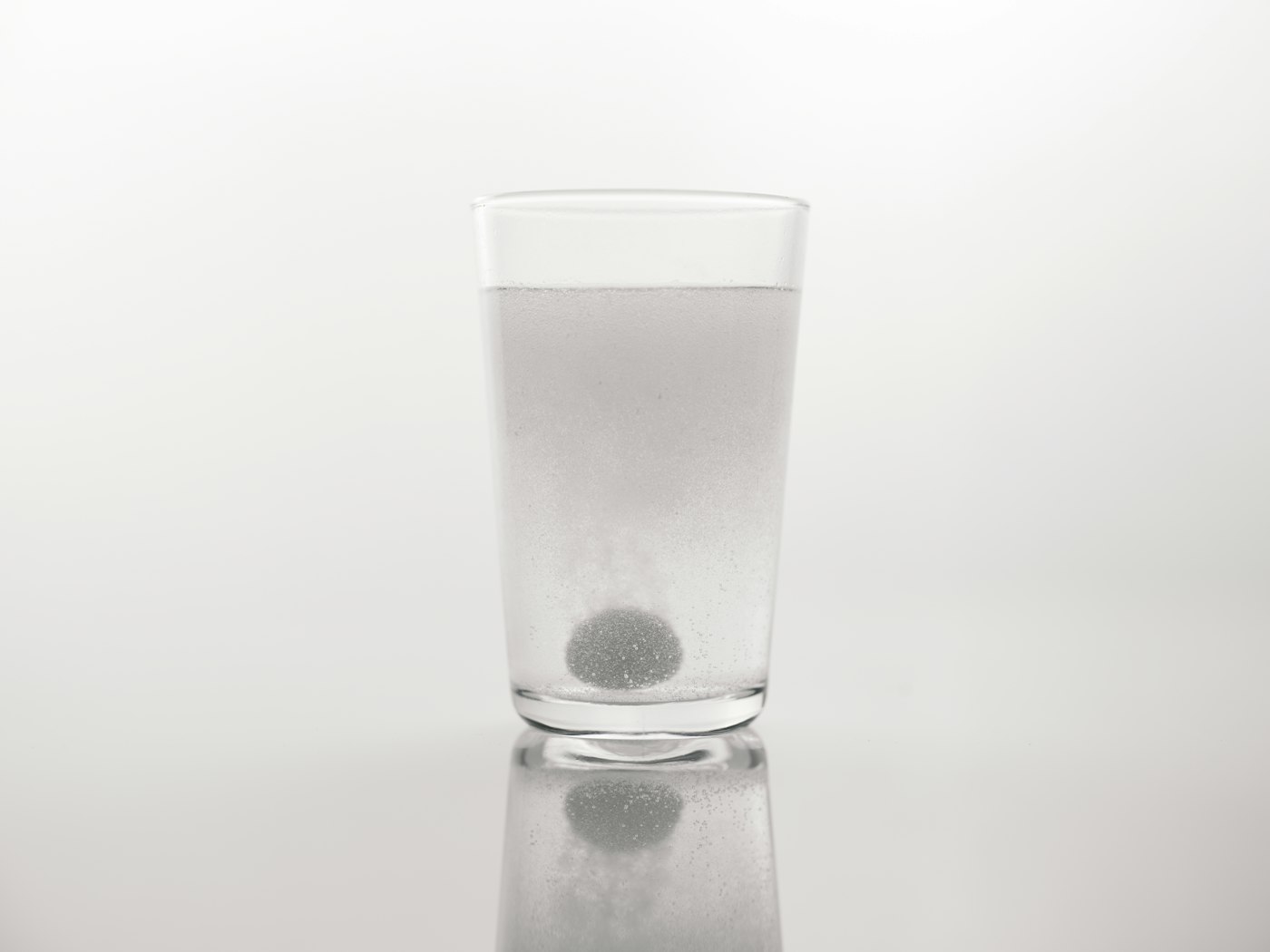
A glass of still water dilutes the acid – the simplest quick fix for heartburn

How we get to the bottom of heartburn at our practice

At Privatpraxis Lindenthal on Rotebühlplatz in Stuttgart, we take recurring heartburn seriously. In a thorough conversation we narrow down patterns and triggers, examine you physically and, if the chest pain is unclear, also check the heart side – including a resting EKG right here in the practice. We explain any results you bring along in plain English. If an endoscopy makes sense – for example with red flags, symptoms that have gone on for years, or too little improvement – we tell you honestly and arrange the exam for you. Then we build a plan together: everyday measures and, if needed, a limited course of medication.

“Heartburn is like a warning light in your car: you can tape over it – or find out why it’s on.”

Daniel Lindenthal, Physician

Common questions about heartburn

What helps right away for heartburn?
For quick relief: a glass of still water to dilute the acid, staying upright instead of lying down, and over-the-counter antacids. At night, it helps to raise your upper body and preferably lie on your left side.
Which foods trigger heartburn?
Common triggers are large, fatty meals, alcohol, coffee, chocolate, soft drinks, citrus fruit and tomatoes – though triggers vary a lot from person to person. A short symptom diary reliably shows what your body reacts to.
When is heartburn dangerous?
Occasional heartburn is harmless. Get it checked if it happens several times a week, has gone on for months, or comes with red flags: trouble swallowing, unintended weight loss, anemia or black stool. And: chest pain with shortness of breath or pain spreading to other areas is an emergency – the heart has to be ruled out first.
Can I take acid blockers long-term?
Acid blockers are effective and well suited to a limited course of treatment. Taking them for months on your own, however, isn’t a good idea: it may mask the real cause. If you need them all the time, have your symptoms checked by a doctor once – often the dose can be reduced or stopped altogether afterward.
Where can I get heartburn checked in Stuttgart?
At Privatpraxis Lindenthal on Rotebühlplatz in central Stuttgart, we work through recurring heartburn step by step – with a thorough conversation, a physical exam, a resting EKG to rule out the heart, and coordination of an endoscopy if you need one. Same-day appointments are usually available.

Sources

  1. German Society of Gastroenterology, Digestive and Metabolic Diseases (DGVS): Guideline on gastroesophageal reflux disease. dgvs.de
  2. Institute for Quality and Efficiency in Health Care (IQWiG): gesundheitsinformation.de – Heartburn and reflux disease. gesundheitsinformation.de
  3. Gastro-Liga e. V.: Patient information on reflux and heartburn. gastro-liga.de
This article is for general information only. It doesn’t replace personal medical advice, diagnosis or treatment. If you have symptoms, please contact the practice directly.
Daniel Lindenthal
Daniel Lindenthal

Physician and founder of Privatpraxis Lindenthal in Stuttgart. His standard: fair, transparent care – and talking with you as an equal.

Book an appointment

Ready for the next step?

Book your appointment now – honest advice and plenty of time for your questions.

Book an appointment