

Skip to content
Heart & Circulation

High Cholesterol? Understanding Your LDL Numbers and Lowering Them Effectively

Updated: 08/13/2026·8 min read·Medically reviewed
Daniel Lindenthal
Daniel LindenthalPhysician · Private practice Stuttgart
Fresh vegetables – the Mediterranean diet is the foundation of any cholesterol-lowering plan

Hardly any lab value causes as much confusion as cholesterol: one neighbor eats butter every day and lives to 95, another lives like a monk and still has high numbers. The resolution: cholesterol is neither fate nor an end in itself – what matters is your LDL cholesterol combined with your personal overall risk. That combination decides whether your number is harmless or needs action. Here's the plain-English explanation.

Key takeaways

  • LDL cholesterol is the number that counts: it builds up in artery walls and drives atherosclerosis (hardening of the arteries) – HDL is considered the “return transporter.”
  • There's no one-size-fits-all limit: your LDL target depends on your personal cardiovascular risk.
  • High numbers don't hurt – they work silently on your blood vessels for years.
  • Diet and exercise lower LDL by about 10–15% and improve your overall risk well beyond that.
  • If your risk is high or it runs in your family, modern medications are effective, well tolerated and extensively studied.

LDL, HDL & Co.: what the numbers mean

Cholesterol isn't a poison to begin with – it's an essential building material for cell walls and hormones. The problem is the carrier: LDL delivers cholesterol to your tissues – and when too much of it is circulating, it settles in artery walls and fuels atherosclerosis there for years, the basis of heart attack and stroke. HDL carries cholesterol back to the liver. Triglycerides, the third blood fat, react strongly to sugar, alcohol and excess weight.

LDL targets under European guidelines – what counts is your personal overall risk, not a single universal number:

< 116
mg/dl LDL
at low risk
< 100
mg/dl LDL
at moderate risk
< 70/55
mg/dl LDL
at high to very high risk

So your target doesn't come from a table but from your risk profile: age, blood pressure, smoking, diabetes, family history and any existing vascular disease all feed in. An LDL of 130 mg/dl can be unremarkable for one person – and clearly in need of treatment for another.

Where do high numbers come from?

  • Genetics: the biggest factor – many people's livers simply produce more LDL. Familial hypercholesterolemia, with very high numbers from a young age, is more common than people think and often missed.
  • Diet and lifestyle: saturated and trans fats, lack of exercise and excess weight raise LDL and triglycerides.
  • Other conditions: an underactive thyroid, diabetes, and liver and kidney disease can shift your blood fats – which is why looking for the cause is part of the exam.

Good to know: The cholesterol in your breakfast egg plays a smaller role than long believed – when you eat it, your body cuts back its own production. What matters more is the overall fat pattern of your diet: fewer saturated fats, more plant oils, nuts and fiber.

Cholesterol too high?

We put your numbers in the context of your risk – honestly and in plain English, in central Stuttgart.

Book an appointment

Lowering it effectively: the right order

  • Eat Mediterranean: plenty of vegetables, legumes, whole grains, nuts and olive oil, fish instead of red meat – the best-proven eating pattern for your blood vessels, lowering LDL by up to 10–15%.
  • Exercise as the foundation: endurance training improves your entire blood fat profile, raises HDL, and lowers blood pressure and blood sugar at the same time.
  • Quit smoking: the single most effective thing you can do for your blood vessels.
  • Medication when your risk calls for it: statins are extremely well studied and have been proven to reduce heart attacks and strokes; other modern drugs are available if needed. The decision is always individual – based on risk, not gut feeling.
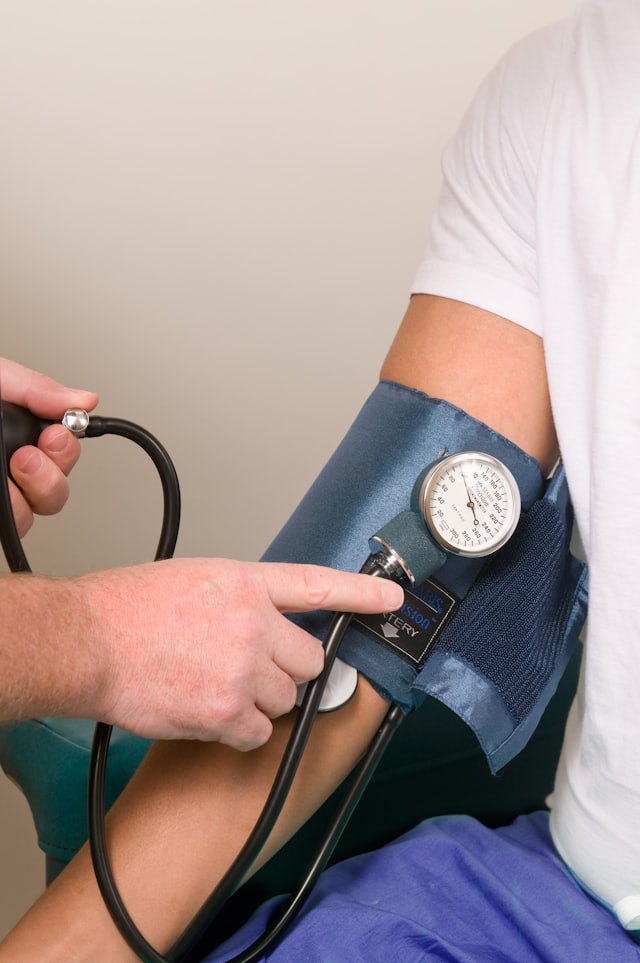
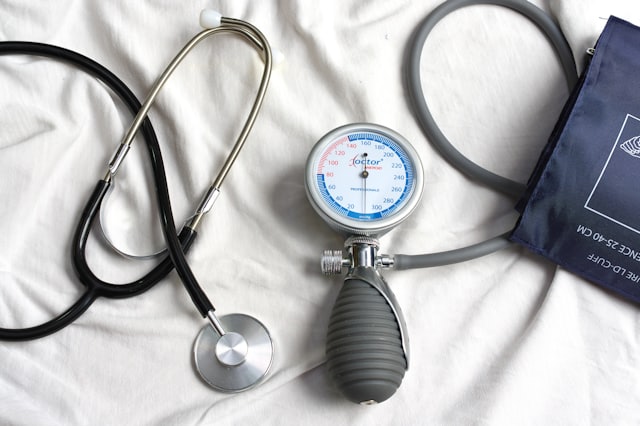
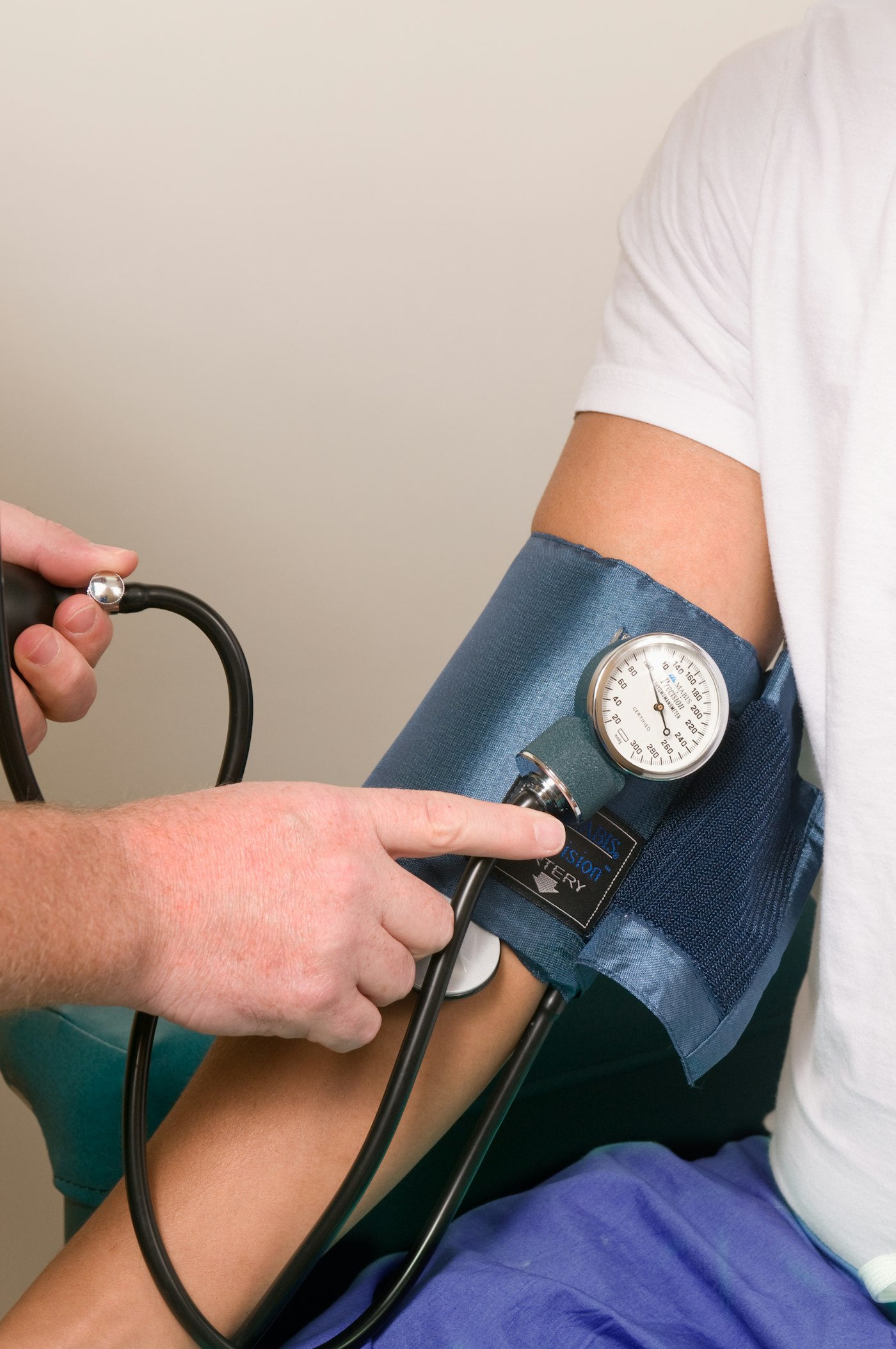
Never look at cholesterol in isolation – blood pressure and overall risk are part of the picture

How we assess it in our practice

At Privatpraxis Lindenthal on Rotebühlplatz in Stuttgart, we never look at your blood fats in isolation: in a detailed conversation we record your risk factors and family history, examine you physically and measure your blood pressure; a resting EKG completes the picture. We translate the lab results you bring along – LDL, HDL, triglycerides, lipoprotein(a), blood sugar – into plain language and calculate your personal risk from them. We tell you honestly which additional values would be useful and where you can have them tested, check for possible causes such as an underactive thyroid, and develop a realistic plan with you – from diet to the question of whether a medication is really necessary in your case.

When to act right away

High cholesterol itself doesn't cause acute symptoms. The warning signs relate to its consequences for your blood vessels:

  • Pressure or tightness in the chest, at rest or with exertion
  • Sudden shortness of breath, cold sweats, or pain spreading to the arm, neck or jaw
  • Sudden paralysis, trouble speaking or vision problems

If you notice these signs, act immediately:

Call 112 (emergency)

“Cholesterol is like rain on a roof: one shower does nothing – what matters is how tight the roof is and how long it rains.”

Daniel Lindenthal, Physician

Common questions about cholesterol

What is a normal LDL level?
There's no single universal number – your target depends on your personal cardiovascular risk. As a guide: LDL below 116 mg/dl at low risk, below 100 mg/dl at moderate risk, and below 70 or 55 mg/dl at high to very high risk. What counts is your individual risk calculation.
Can I lower my cholesterol without medication?
Yes, within limits: a Mediterranean diet, regular exercise, weight loss and quitting smoking lower LDL by about 10–15% and clearly improve your overall risk. Whether that's enough depends on your starting number and your risk – with a strong family history or existing vascular disease, medication is usually useful on top.
Are statins dangerous?
Statins are among the most thoroughly studied medications of all and have been proven to reduce heart attacks and strokes. Muscle complaints do occur, but they're rarer than their reputation suggests and can usually be resolved by switching the drug or adjusting the dose. The decision for or against a statin should be based on your personal risk calculation.
What is lipoprotein(a)?
Lp(a) is a genetically determined blood fat that further raises your vascular risk and can hardly be influenced by lifestyle. A one-time measurement in your lifetime is now recommended – a high value mainly means treating the factors you can influence all the more consistently.
Where can I get my cholesterol numbers assessed in Stuttgart?
At Privatpraxis Lindenthal on Rotebühlplatz in central Stuttgart, we translate the blood fat results you bring along into plain language, calculate your personal risk with an exam, blood pressure and resting EKG, and advise you honestly on diet, exercise and whether medication is necessary. Same-day appointments are usually available.

Sources

  1. European Society of Cardiology (ESC) / European Atherosclerosis Society (EAS): guideline on dyslipidaemias. escardio.org/Guidelines
  2. German Cardiac Society (DGK): pocket guidelines on lipid disorders. dgk.org
  3. German Heart Foundation (Deutsche Herzstiftung e. V.): cholesterol – numbers and treatment. herzstiftung.de
This article is for general information only. It does not replace individual medical advice, diagnosis or treatment. If you have symptoms, please contact the practice directly.
Daniel Lindenthal
Daniel Lindenthal

Physician and founder of Privatpraxis Lindenthal in Stuttgart. His standard: fair, transparent care that treats you as a partner.

Book an appointment

Ready for the next step?

Book your appointment now – honest advice and enough time for your questions.

Book an appointment