
Skip to content
Heart & Circulation

Lower Your Blood Pressure Naturally: 8 Levers That Are Proven to Work

Updated: 08/13/2026·8 min read·Medically reviewed
Daniel Lindenthal
Daniel LindenthalPhysician · Private practice Stuttgart
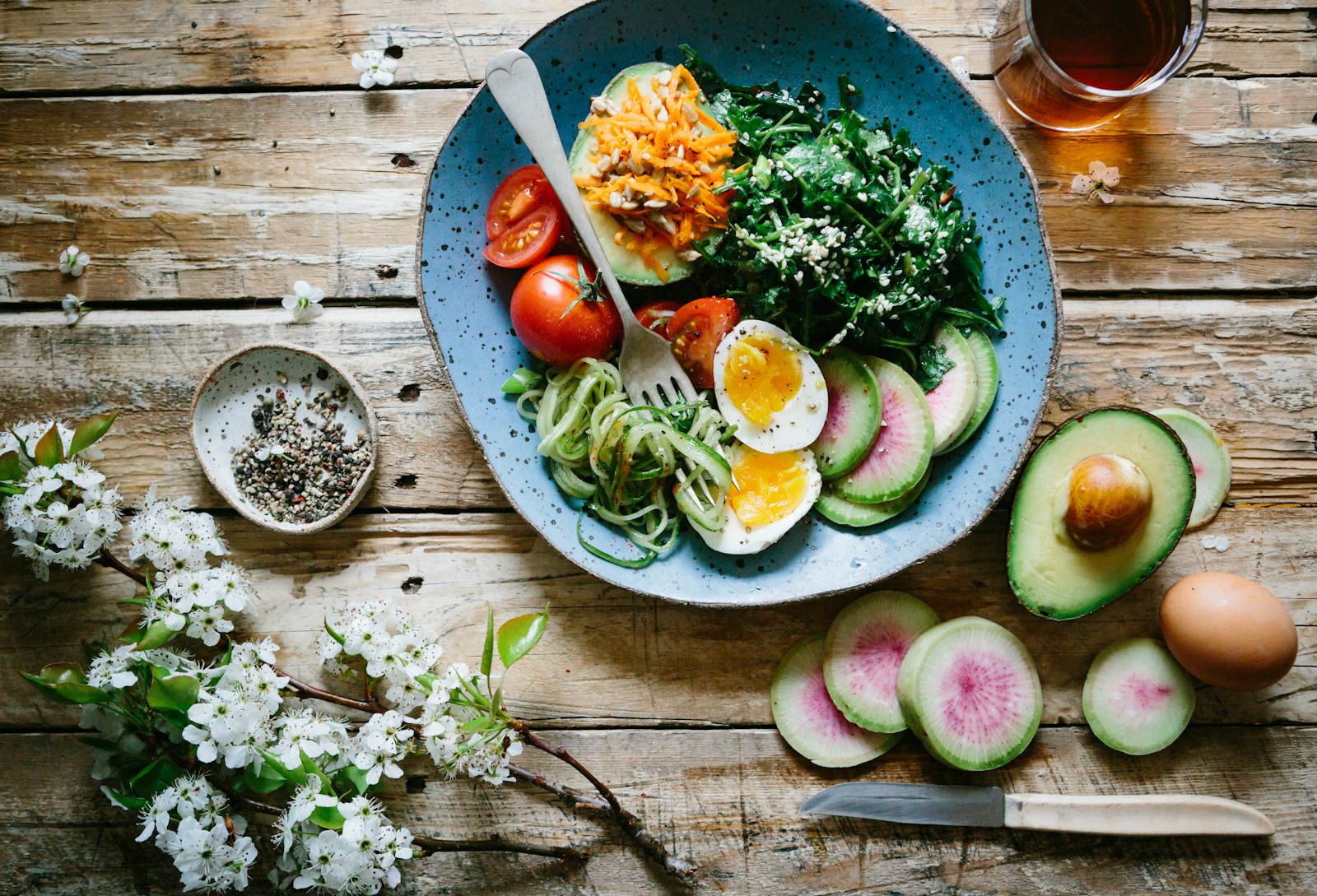
Colorful plate of vegetables – diet is one of the strongest levers for blood pressure

"Your blood pressure is a little high." – That sentence doesn't automatically mean pills. Especially when your readings are only mildly elevated, lifestyle is the first and often surprisingly effective treatment: single changes can lower blood pressure by amounts that rival medication. The trick is knowing which levers to pull – and staying realistic. Here are the eight most effective ones, with an honest look at what each can do.

Key takeaways

  • For mildly elevated readings, lifestyle changes are the first treatment – and they go along with any medication.
  • The strongest levers: less salt, a healthier weight, endurance exercise, less alcohol.
  • Realistically, each step is worth about 4 to 10 mmHg – combined, that adds up noticeably.
  • Monitoring matters: only regular measurements show whether the changes are enough.
  • If your readings are clearly elevated, lifestyle changes don't replace medical treatment – they add to it.

The 8 most effective levers

  • 1. Less salt: bringing your daily salt intake below 5–6 grams can lower blood pressure by about 5 mmHg. The biggest sources of salt aren't the shaker, but bread, cold cuts, cheese and ready-made meals.
  • 2. A healthier weight: for every kilogram (about 2 lbs) you lose, blood pressure drops by roughly 1 mmHg on average. So even 5 kilos (about 11 lbs) make a measurable difference.
  • 3. Regular endurance exercise: about 30 minutes of moderate activity on most days – brisk walking, cycling, swimming – lowers blood pressure by 5 to 8 mmHg. Stuttgart's hilly basin throws in the elevation for free.
  • 4. Less alcohol: alcohol reliably pushes blood pressure up. Cut back significantly and you quickly win back a few mmHg.
  • 5. Eat blood-pressure-friendly: plenty of vegetables, fruit, legumes, whole grains and good oils, little processed meat – eating patterns like the Mediterranean or DASH diet are among the best-studied measures there are.
  • 6. Quit smoking: every cigarette raises your pressure acutely and damages your blood vessels over the long term – quitting is the biggest gift you can give your arteries.
  • 7. Manage stress: chronic tension keeps your pressure up. Relaxation techniques, breaks and enough sleep work – more slowly, but they last.
  • 8. Take sleep seriously: poor or too little sleep and untreated snoring with pauses in breathing (sleep apnea) are underrated drivers of high blood pressure.

An honest take: none of these steps works overnight, and none replaces medical treatment if your readings are clearly elevated. But combined, many people with mildly elevated blood pressure get back to their target range – and those already on medication often get by with a lower dose. Never change your medication on your own, though.

Want to lower your numbers naturally?

We support you with measurements, a realistic plan and honest advice – in central Stuttgart.

Book an appointment

Why monitoring is essential

High blood pressure doesn't cause symptoms – only measuring tells you whether your changes are working. A simple log works well: two readings in the morning and two in the evening, each after five minutes of rest, written down over one week. These home readings say more than a single reading at the office – and they're the perfect basis for tracking your progress together.

At Privatpraxis Lindenthal on Rotebühlplatz in Stuttgart, we guide you through this step by step: with standardized measurements at the office, a review of your home log, a physical exam and a resting EKG to check whether your blood pressure has already left its mark on your heart – and with a realistic plan that fits your daily life instead of fighting it.

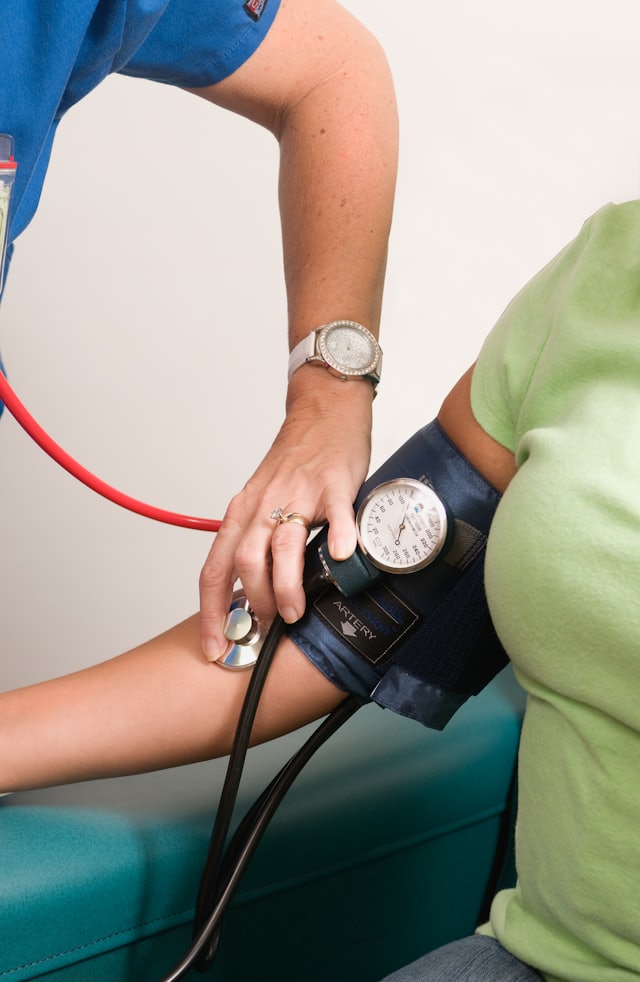
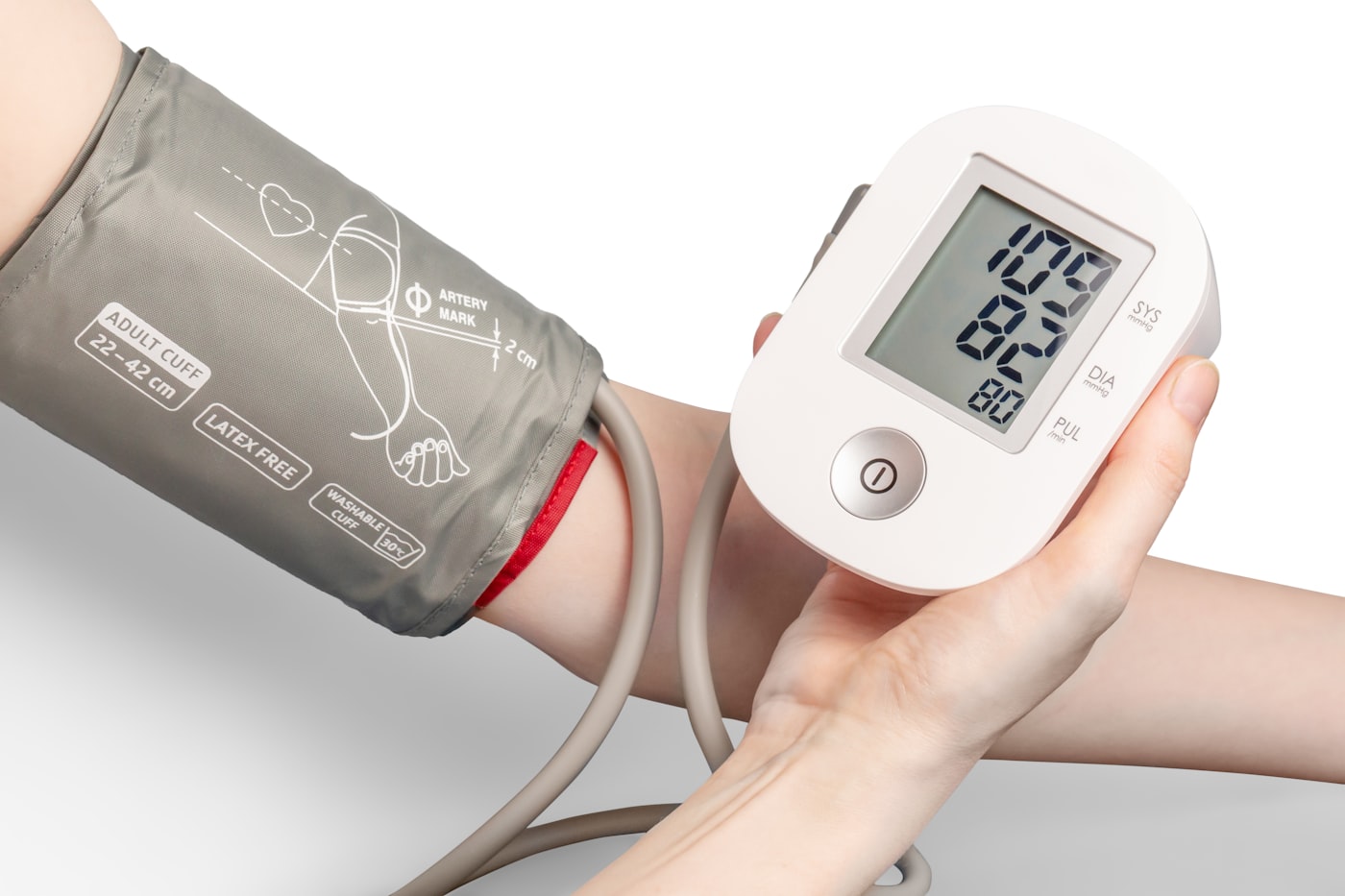
Regular home measurements show whether the changes are working

When lifestyle alone isn't enough

There are clear situations in which medication is useful or necessary on top of lifestyle changes: clearly elevated readings, organ damage that has already occurred, diabetes or other risk factors. That's not a personal failure – the tendency toward high blood pressure is largely inherited. The good news: even then, the eight levers remain valuable, because they improve how well the medication works and give your blood vessels extra protection.

When you need to act right away

Lifestyle changes take time – but some situations can't wait. Act immediately if you have:

  • Blood pressure readings above 180/120 mmHg with symptoms such as a severe headache, vision problems or confusion
  • Chest pain, tightness or sudden shortness of breath
  • Weakness or paralysis, trouble speaking or a drooping corner of the mouth

These can be signs of an emergency:

Call 112 (emergency)

"Lifestyle isn't an alternative to medicine – it is medicine. Just one you can't swallow; you have to live it."

Daniel Lindenthal, Physician

Frequently asked questions about lowering blood pressure naturally

How quickly can you lower blood pressure naturally?
The first effects of cutting salt and exercising regularly often show within a few weeks. For the full effect – from weight loss, for example – think in months. Regular measurements are important so you can track your progress objectively.
How much does cutting salt really help?
If you bring your daily salt intake below 5–6 grams, you can expect roughly 5 mmHg less on average – people whose blood pressure is salt-sensitive benefit even more. The biggest hidden sources of salt are bread, cold cuts, cheese and ready-made meals.
Which type of exercise lowers blood pressure best?
The best-studied option is moderate endurance exercise: brisk walking, cycling, swimming or jogging, about 30 minutes on most days of the week. Moderate strength training is a useful addition. Important if your readings are clearly elevated: see a doctor before you start training.
Can I stop my blood pressure medication if I change my lifestyle?
Not on your own. If your readings improve through lifestyle changes, your doctor may be able to adjust your medication step by step – while monitoring your measurements. Stopping abruptly can send your blood pressure dangerously out of control.
Who can help me lower my blood pressure in Stuttgart?
At Privatpraxis Lindenthal on Rotebühlplatz in central Stuttgart, we guide you step by step: with standardized measurements, a review of your home log, a physical exam and a resting EKG, plus a realistic plan that fits your everyday life. Same-day appointments are available.

Sources

  1. German Hypertension League (Deutsche Hochdruckliga): patient information on lifestyle and high blood pressure (in German). hochdruckliga.de
  2. European Society of Cardiology / European Society of Hypertension: guidelines on the management of arterial hypertension. escardio.org/Guidelines
  3. Institute for Quality and Efficiency in Health Care (IQWiG): gesundheitsinformation.de – High blood pressure (in German). gesundheitsinformation.de
This article is for general information only. It does not replace personal medical advice, diagnosis or treatment. If you have symptoms, please contact the practice directly.
Daniel Lindenthal
Daniel Lindenthal

Physician and founder of Privatpraxis Lindenthal in Stuttgart. His promise: fair, transparent care – and a conversation at eye level.

Book an appointment

Ready for the next step?

Book your appointment now – honest advice and plenty of time for your questions.

Book an appointment